
Here at Global Leathers and LeatherSkins.com, one of our favorite things about leather is its versatility. From garments and apparel, to saddlery and holsters, to automotive interiors, duffle bags, purses, belts, and wallets, there are a million uses for leather. Well now it's a million-and-one, thanks to our creative friends in the world of models and miniatures.
Miniature makers use real leather and suede to recreate the appearance, texture and construction of full-size objects at a smaller scale. Thin lambskin, nappa leather and suede can be used for everything from 1:12-scale sofas and lounge chairs for dollhouses, to 1:8-scale model car interiors, to clothing & shoes for dolls and action figures, to miniature books, miniature handbags, and miniature accessories like bag charms and keychains.

What is the Best Leather for Miniatures?
The best leather for miniatures is generally lightweight, soft and flexible, with a fine grain that looks proportional to the finished piece. Leather that is too thick or stiff can create bulky seams, resist tight curves and overwhelm small details. Lightweight garment leathers like lamb nappa, plongé lamb, and lamb suede provide the thin profile, pliability, and natural drape needed for convincing scale models.
What Can You Make With Leather in Miniature Scale?
Many of the techniques used in full-size upholstery, fashion, bookbinding and leathercraft can be adapted to miniature projects. Miniatures.com advises makers to borrow real-world techniques while adjusting them through “illusion and scale to eye.”
Leather is especially useful because it creates realistic creases, grain, sheen and edge details that can be difficult to reproduce with painted plastic or fabric.
Popular uses for leather in miniatures
-
Dollhouse sofas, chairs, recliners, benches, stools and ottomans
-
Upholstered headboards, cushions, pillows and footstools
-
Scale-model car seats, door panels, dashboards and center consoles
-
Leather-wrapped steering wheels, gearshifts and interior trim
-
Jackets, pants, skirts, gloves and boots for action figures
-
Clothing and costumes for anime, fashion and collectible dolls
-
Miniature sneakers, sandals, loafers, handbags and backpacks
-
Purses and shoes for dolls, bag charms and keychains
-
Leather-bound books, journals, albums and miniature Bibles
-
Briefcases, suitcases, trunks, hatboxes and travel accessories
-
Horse saddles, bridles, harnesses and other miniature tack
-
Belts, watch straps, holsters, sheaths and weapon grips
-
Desk pads, portfolios, menus and other diorama accessories
Leather-bound miniature books have a particularly rich history. The library in Queen Mary’s Doll’s House contains hundreds of functional miniature volumes, including leather-bound and gold-tooled books created to resemble the contents of a full-size private library. Contemporary bookbinders continue to make miniature books using pared or naturally thin leather wrapped around tiny boards and text blocks.

How to Choose Leather for Miniature Making
When selecting leather for miniature furniture, models or doll accessories, consider thickness, temper, grain, finish and color.
Choose Thin Leather That Matches the Scale
A leather’s full-size thickness is magnified visually when it is placed on a miniature object. Lightweight leather between approximately 0.3 and 0.7 mm is often easier to fold, wrap, glue and sew without producing oversized edges.
For very small garments, fitted upholstery and intricate accessories, an ultra-thin 0.3–0.4 mm lambskin can help maintain realistic proportions. Slightly heavier 0.5–0.7 mm leather can provide more body for jackets, handbags, books and larger-scale furniture or automotive models.
Scale also matters. A leather that works beautifully on a 1:6 action figure or 1:8 model car may appear too thick on a 1:24 dollhouse accessory. Test a small piece around the tightest curve or narrowest seam in the pattern before cutting the entire project.
Look for a Soft, Supple Temper
Soft leather conforms more easily to foam cushions, carved furniture frames, molded car seats and articulated figures. A fluid temper also allows miniature sleeves, pant legs and skirts to hang naturally instead of projecting outward.
For structured miniatures such as luggage or purses, lightweight leather can be laminated over thin card, paper, fabric or another miniature substrate. This gives the finished object structure without requiring a heavy hide.
Keep the Grain in Proportion
A fine, flat grain usually produces the most convincing results at small scales. Large pebbles and deep embossing may resemble an exaggerated pattern once reduced to miniature size.
Smooth nappa and plongé lambskin are excellent choices when you want a polished surface that resembles luxury upholstery, fashion leather or an automotive interior. Suede provides a different visual effect, making it useful for soft furniture, footwear, linings, rustic accessories and matte interior details.
Consider the Finish
The finish helps communicate the character of the miniature:
- Matte leather creates understated furniture, vintage books and realistic everyday garments.
- Leather with a slight sheen suggests luxury car interiors, designer jackets and polished upholstery.
- Metallic leather is ideal for fantasy costumes, futuristic furniture, statement sneakers and collectible accessories.
- Suede adds a soft, velvety surface to chairs, clothing, boots, linings and dollhouse décor.

Best Leather for Miniature Clothing and Action Figures
Miniature leather clothing needs to bend at small joints and drape around a body without creating bulky seams. This makes thin lambskin one of the best options for 1:6-scale action-figure jackets, anime figure costumes, fashion-doll skirts, pants, gloves and capes.
Ultra Lightweight Silky Lamb Nappa is particularly well suited to miniature garments. At approximately 0.3–0.4 mm, or 1 oz., it is the thinnest leather featured in this guide. Its soft, fluid temper allows it to bend and fold with minimal bulk, while its smooth, matte surface creates a refined scale appearance. Use it for fitted jackets, shirts, dresses, linings, gloves and other pieces that require maximum flexibility.
For projects that need a broader color palette, Drum Dyed Lamb Nappa is available in more than 100 colors. This 1.5 oz. lambskin measures approximately 0.5–0.7 mm and has a soft temper, ultra-smooth grain and rich color saturation. It is an excellent all-purpose option for action-figure clothing, superhero costumes, doll apparel, shoes, bags, belts and coordinated accessories.

Leather for Miniature Furniture and Dollhouse Upholstery
Leather brings natural folds, subtle grain and realistic highlights to miniature sofas, club chairs, recliners, ottomans and upholstered benches. It can be wrapped over carved wood, foam, batting or shaped card, depending on the scale and construction method.
Plongé Luxury Lambskin is an excellent choice for high-end miniature furniture. This 1–2 oz. lambskin has an exceptionally supple feel, polished grain, slight sheen and elegant drape. It can give a dollhouse sofa or executive chair the look of premium full-size upholstery without adding excessive thickness.
Distressed Weathered Lamb Suede is a terrific choice for antique-looking furniture like leather couches, dining chairs, headboards and cushions. With a more robust 0.7-1.0 mm thickness, it has a distressed appearance that looks naturally aged and broken-in. Best of all, it has a beautiful nappa back that can be used for a variety of additional purposes.
Miniaturists can also use suede for mid-century lounge chairs, rustic benches, throw pillows and soft interior panels. Italian Luxury Goat Suede offers a fine, velvety nap in more than 35 colors.
Silky Pig Suede is another strong choice for makers who use larger quantities or need an especially wide color range. At approximately 0.5–0.6 mm, this 1 oz. suede is soft and flexible, with more than 60 colors available. Its visible pores can add natural character to larger-scale pieces, distressed furnishings, workwear and rustic accessories.

Premium Leather for Scale-Model Car Interiors
Detailed model cars often reproduce the smallest elements of the original vehicle, from the upholstery pattern to the dashboard and steering wheel. High-end scale-model builders use original specifications, paint references and carefully selected materials to achieve lifelike interiors.
Thin leather can be used to cover:
- Bucket seats and bench seats
- Seat bolsters and headrests
- Door cards and interior panels
- Dashboards and center consoles
- Steering wheels and gearshift knobs
- Armrests, storage covers and parcel shelves
- Luggage sets and fitted trunk interiors
French Plonge Lamb works especially well for modern automotive interiors because its fine grain does not overpower small seats and panels. Plongé Luxury Lambskin can create a polished luxury-car finish, while Italian Luxury Goat Suede can simulate Alcantara-style inserts, headliners and matte accent panels.

Leather for Miniature Books, Bibles and Journals
Miniature bookbinding demands leather that can fold tightly around small boards and form crisp hinges at the spine. Thin lamb nappa is particularly useful because it can be cut, glued and wrapped with less bulk than standard leathercraft hides.
Bookbinding Pigskin is the perfect leather for making miniature books, as it's already used for bookbinding and Bible covers at full scale, and its 0.4-0.6 mm thickness makes it a practical starting point for larger miniature books. Ultra Lightweight Silky Lamb Nappa is better suited to very small volumes or projects where the leather must turn cleanly over tiny edges.
Miniature book leather can also be decorated with:
- Fine blind-tooled lines
- Gold or metallic foil details
- Tiny raised spine bands
- Printed or painted titles
- Corner protectors and miniature clasps
- Antiquing or light distressing
Because tooling and embossing become visually larger at reduced scale, keep decorative elements shallow and restrained.

Leather for Miniature Doll Clothing, Shoes, and Accessories
When it comes to making miniature clothing, shoes, and accessories for dolls, action figures, and figurines, leather is the ultimate medium. From the earthy tones of our
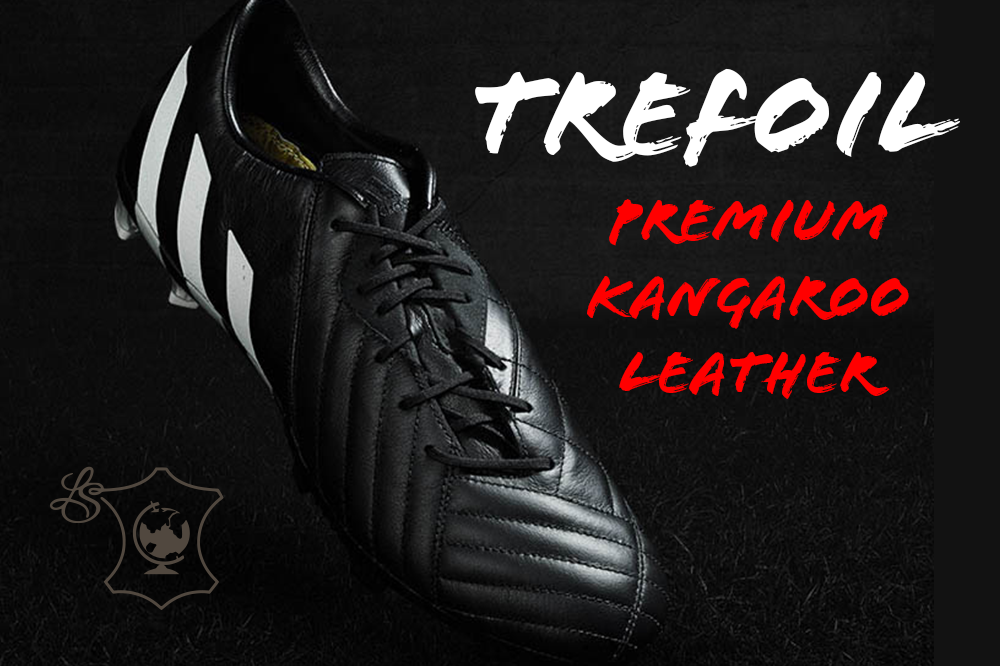
For classic black leather jackets, pants, and skirts, nothing beats Premium Trefoil Kangaroo Leather. Kangaroo is known for being extremely lightweight and strong, but Trefoil Kangaroo goes even further, because it's incredibly clean and free from natural markings. This makes it the perfect choice for biker outfits, rock n' roll costumes, and high fashion pieces.
For exotic fashion articles and accessories, Metallic Foil Lamb adds a high-gloss metallic surface in 20 colors. Its lightweight 0.5–0.7 mm profile remains flexible enough for small pieces, making it useful for fashion accessories, statement bags, and futuristic and space-age looks.
Creative Uses for Metallic & Novelty Leathers in Miniatures
Metallic leathers and Novelty leathers can turn a small project into the main attraction. Whether used as accent pieces or for an entire project, metallic and novelty leathers can be used to create a variety of aesthetics: animal and jungle motifs, aged and broken-in, futuristic and sci-fi, fantasy and magical, undersea and mermaids, military camo, and much more. Let your imagination run wild!
Because Metallic and Novelty leathers have eye-catching visual effects like high polish shine, iridescent color shifting, and wild textures, they often work well for:
- Metallic doll sneakers and boots
- Miniature evening bags and bag charms
- Superhero armor and fantasy costumes
- Fantasy creatures, aliens, and monsters
- Science-fiction characters and action figure clothing
- Futuristic furniture and wall panels
- Outer space and fantasy themes
- Custom show-car seats and interior accents
- Stage costumes and performance jackets
- Decorative book covers and tiny gift boxes
The reflective finish also helps extremely small accessories remain visible inside display cases, dollhouses and densely detailed dioramas.

Tips for Cutting, Gluing and Sewing Miniature Leather
Use a sharp craft knife, scalpel or fine leather scissors to produce clean edges. A small rotary cutter can be useful for straight pieces, but intricate patterns are usually easier to control with a knife.
For accurate results:
- Create and test the pattern in paper before cutting the leather.
- Trace patterns on the flesh side with a fine, removable marking tool.
- Use fresh blades for tight curves and tiny interior cuts.
- Skive or feather only where necessary to reduce folded-edge bulk.
- Apply adhesive sparingly with a toothpick or micro brush.
- Test glue on a scrap to check for discoloration, stiffness or bleed-through.
- Use fine needles and lightweight thread when sewing visible seams.
- Space stitches according to scale; ordinary leathercraft stitching may look oversized.
- Clamp pieces gently with clips, tweezers or low-tack tape while the adhesive sets.
- Seal exposed layers only when the edge treatment remains proportional.
Natural leather can vary in grain, color and surface character. Plan the placement of every pattern piece before cutting, reserving the finest-grained areas for highly visible components.
Which Leather Is Best for Your Miniature Project?
| Miniature project | Recommended leather | Why it works |
|---|---|---|
| Fitted action-figure clothing | Ultra Lightweight Silky Lamb Nappa | Ultra-thin, fluid and minimally bulky |
| Colorful doll apparel and accessories | Drum Dyed Lamb Nappa | Smooth grain and more than 100 colors |
| Luxury sofas and model-car seats | Plongé Luxury Lambskin | Plush hand, refined grain and subtle sheen |
| Fantasy costumes and statement accessories | Metallic Foil Lamb | Flexible leather with a reflective finish |
| Premium suede shoes, bags and upholstery | Italian Luxury Goat Suede | Fine velvety nap and 35+ colors |
| Affordable suede projects and diorama details | Silky Pig Suede | Soft, versatile and available in 60+ colors |
| Miniature books and Bibles | Bookbinding Pigskin or Drum Dyed Lamb Nappa | Thin enough to wrap small boards and spines |
| Headliners, inserts and soft interior panels | Goat Suede or Silky Pig Suede | Matte surface with realistic textile-like texture |
| Broken-in furniture and distressed doll clothes | Distressed Weathered Lamb Suede | Thin, soft suede with aged appearance |

Shop Leather for Miniature Making at LeatherSkins.com
Whether you are upholstering a dollhouse sofa, restoring a scale-model car interior, tailoring a 1:6 leather jacket or binding a miniature Bible, the right leather makes small details look more realistic. LeatherSkins.com offers ultra-lightweight lambskin, smooth nappa, luxury plongé, metallic leather and colorful suede suitable for miniature furniture, clothing, model making, bookbinding and accessories.