
This goatskin became the perfect thin lining for a cowhide vest. I’m going to try to get a few more while they last.
Cart
Your cart is empty
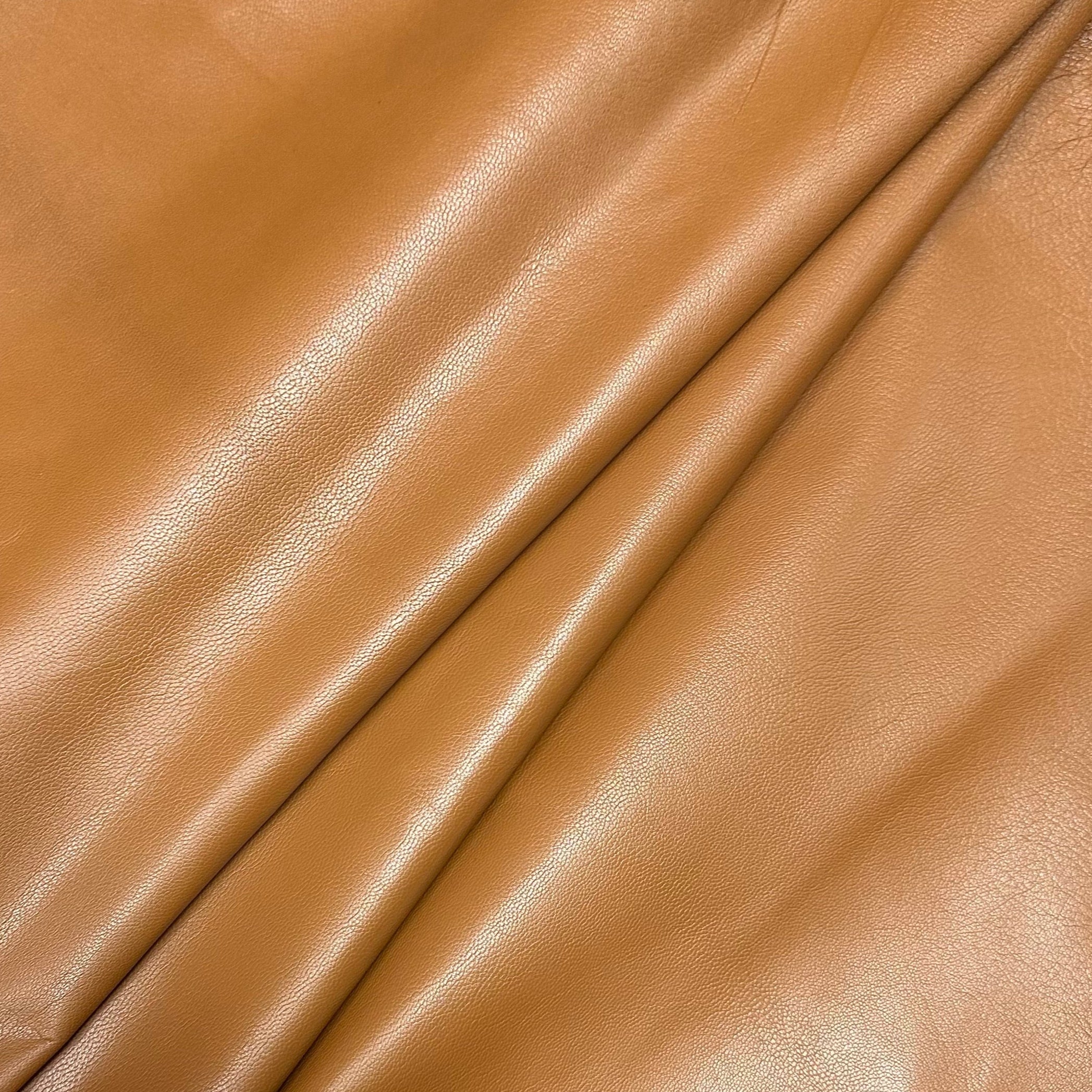
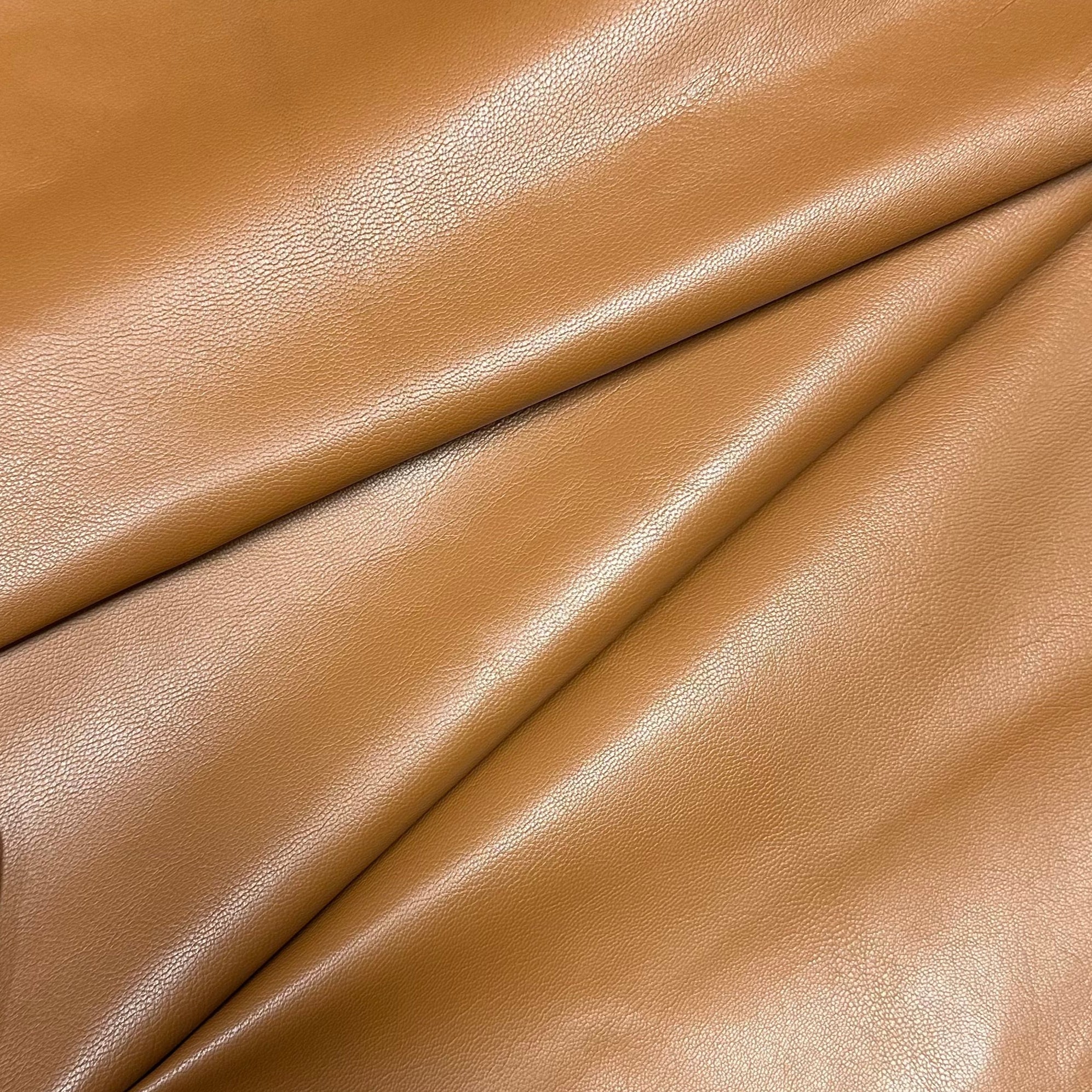
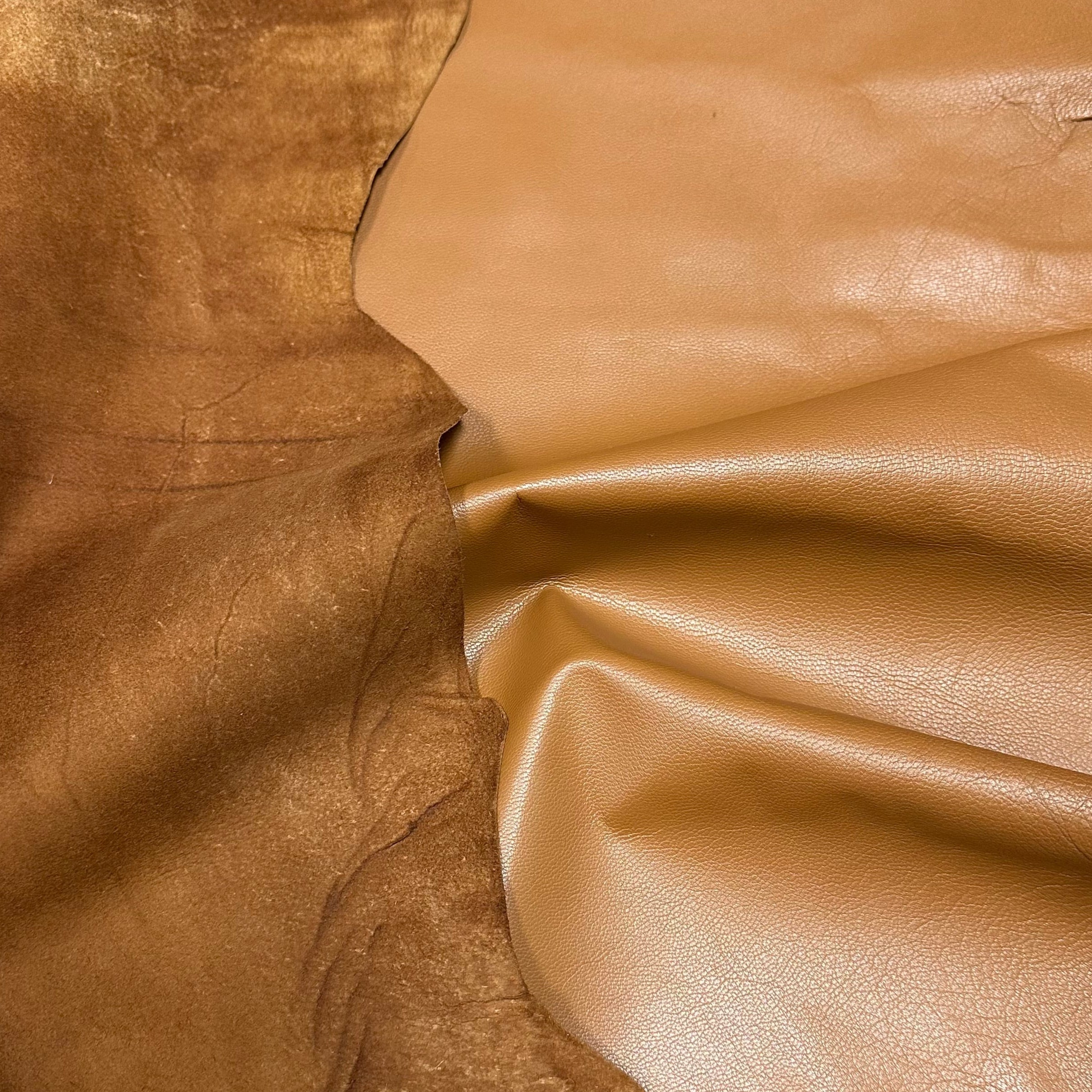
Tight Grain Goat - Caramel is a premium leather choice for artisans and crafters alike. This exquisite goat hide leather is renowned for its durability and unique texture, making it perfect for a variety of applications including garments and small goods.
With an average size of 5-6 square feet and a thickness ranging from 0.6 to 0.8mm, this leather offers an ideal balance between flexibility and sturdiness. The rich caramel brown hue adds a touch of elegance, ensuring your creations are not only functional but also visually stunning.
This premium leather is available at discount closeout prices thanks to an overstock in our inventory, but despite their low prices, designer closeout skins are of the same premium quality as our regular stock leather articles. But please keep in mind that designer closeout leather is limited to the quantity we have on-hand—once they're gone, they're gone. If you see something you like, you might want to pick up a few hides, because you might not see it again.
Leather is a natural product. We strive to keep new lots within size, color, and quality tolerance, but some hides may have slight variations in size or color, or have natural imperfections such as scars or small holes.
Hide sizes may vary. Leather square footage isn’t measured as a true length-by-width area — it’s based on the hide’s surface area before finishing or shrinkage. Tanneries calculate footage from the raw hide stage and stamp the size on the flesh (back) side of the hide. We use the measurements provided by the tannery, but some variation in actual size is normal.
Overall rating: 5.0 / 5 from 5 reviews.
This goatskin became the perfect thin lining for a cowhide vest. I’m going to try to get a few more while they last.
Excellent piece of goat. The color, size, the value! Don't miss out.
Beautiful leather, gorgeous color.
Gorgeous leather!
Great value!