





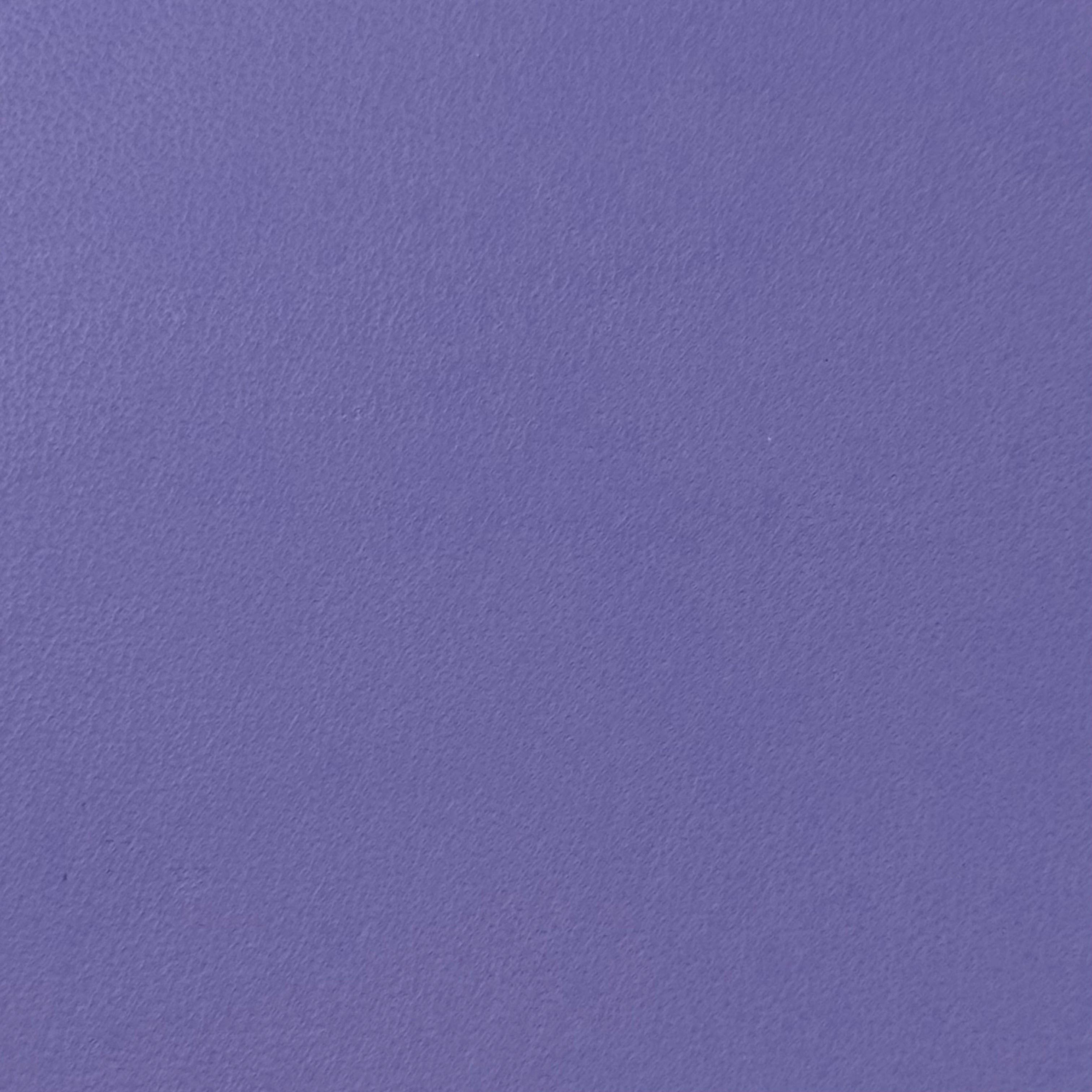
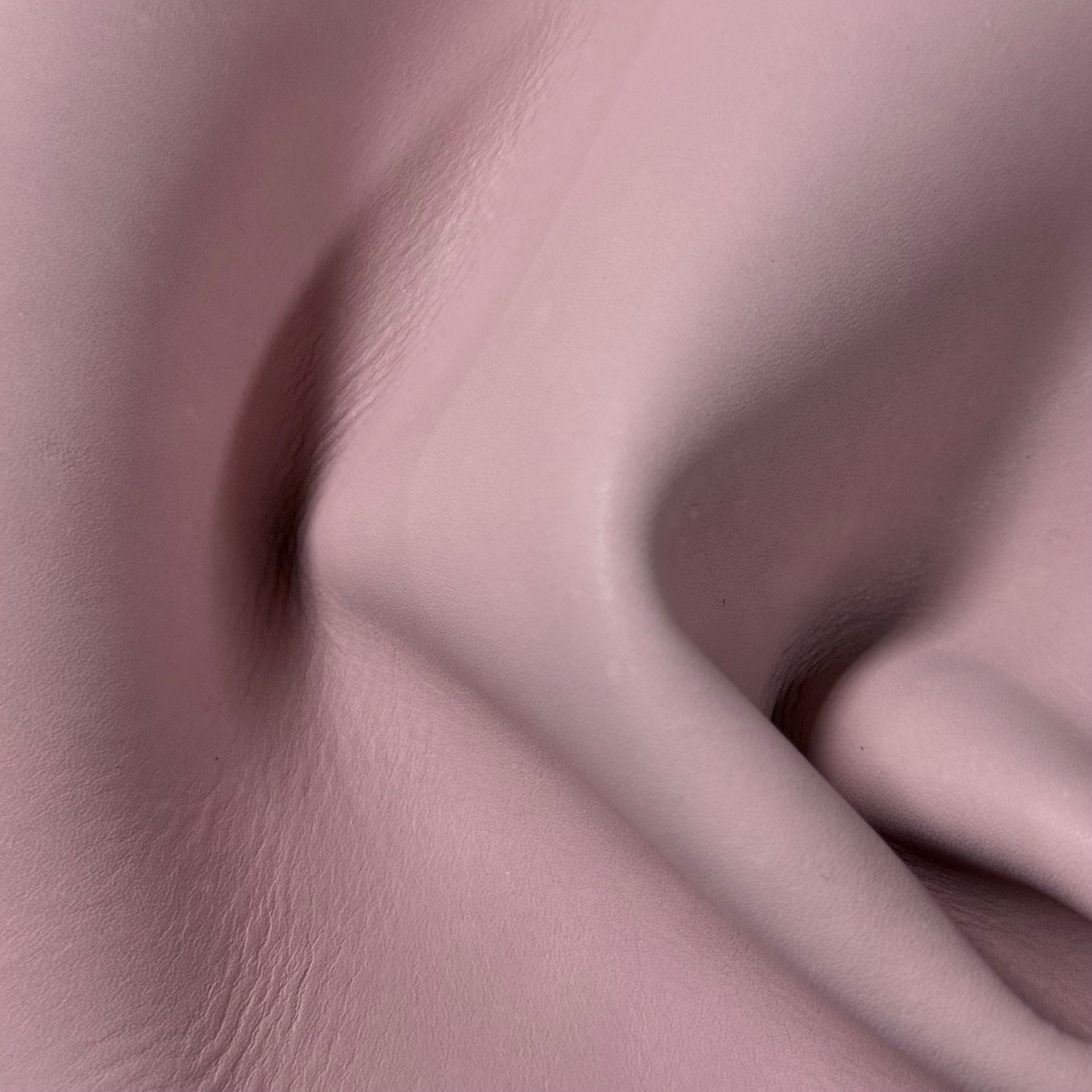
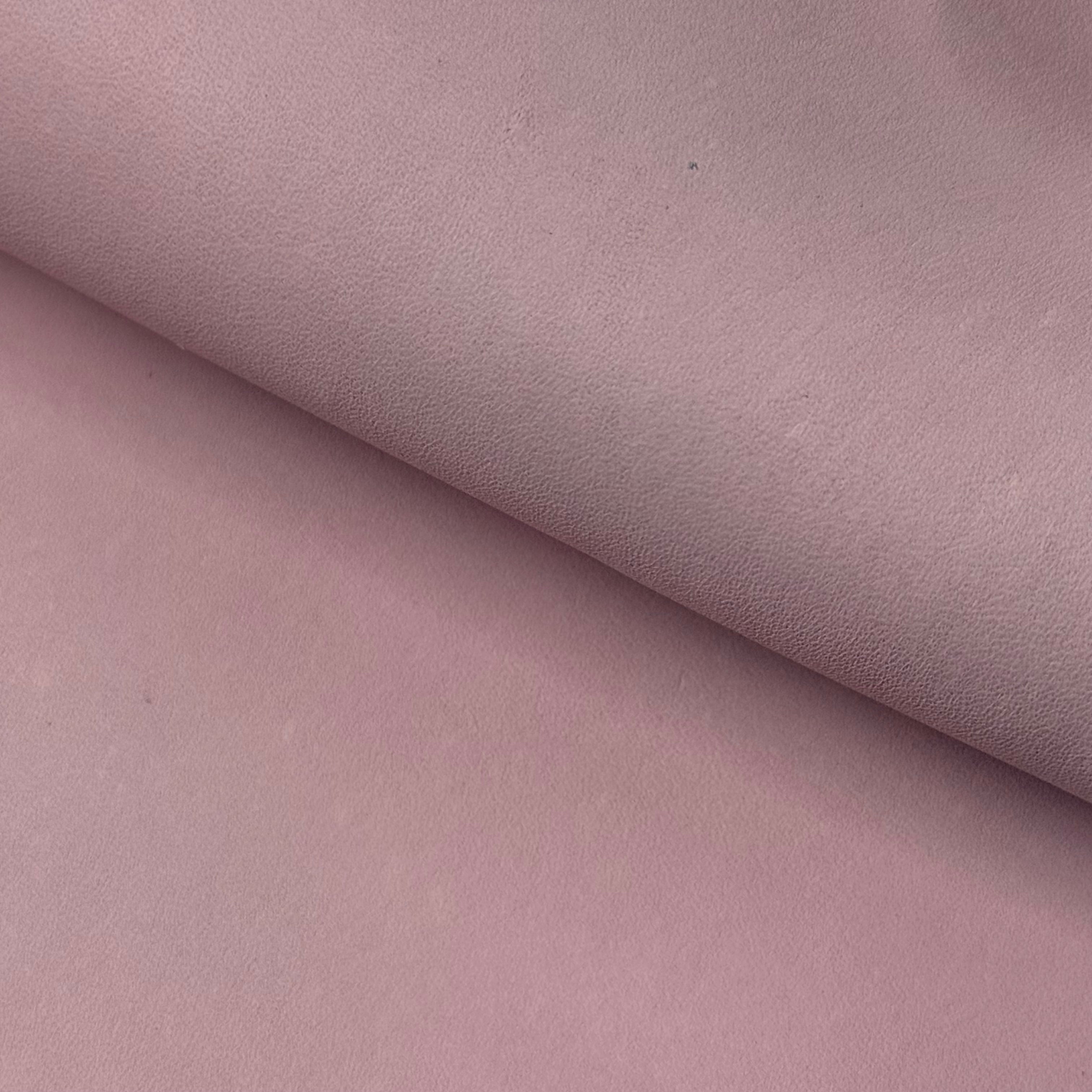
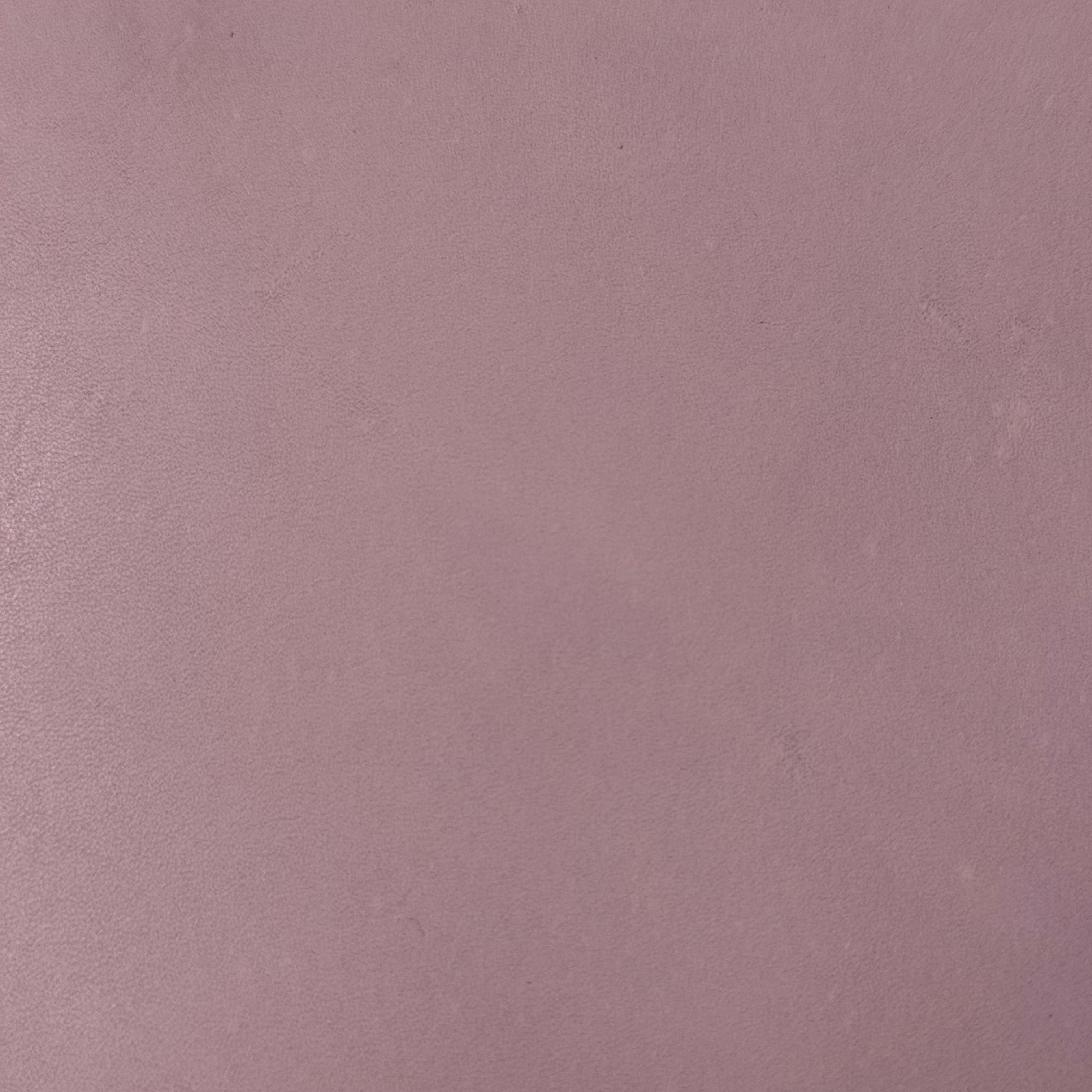
Specifications
- Hide Type: Cow, Top Grain
- Cut: Side
- Size: Avg. 20-28 Square Feet
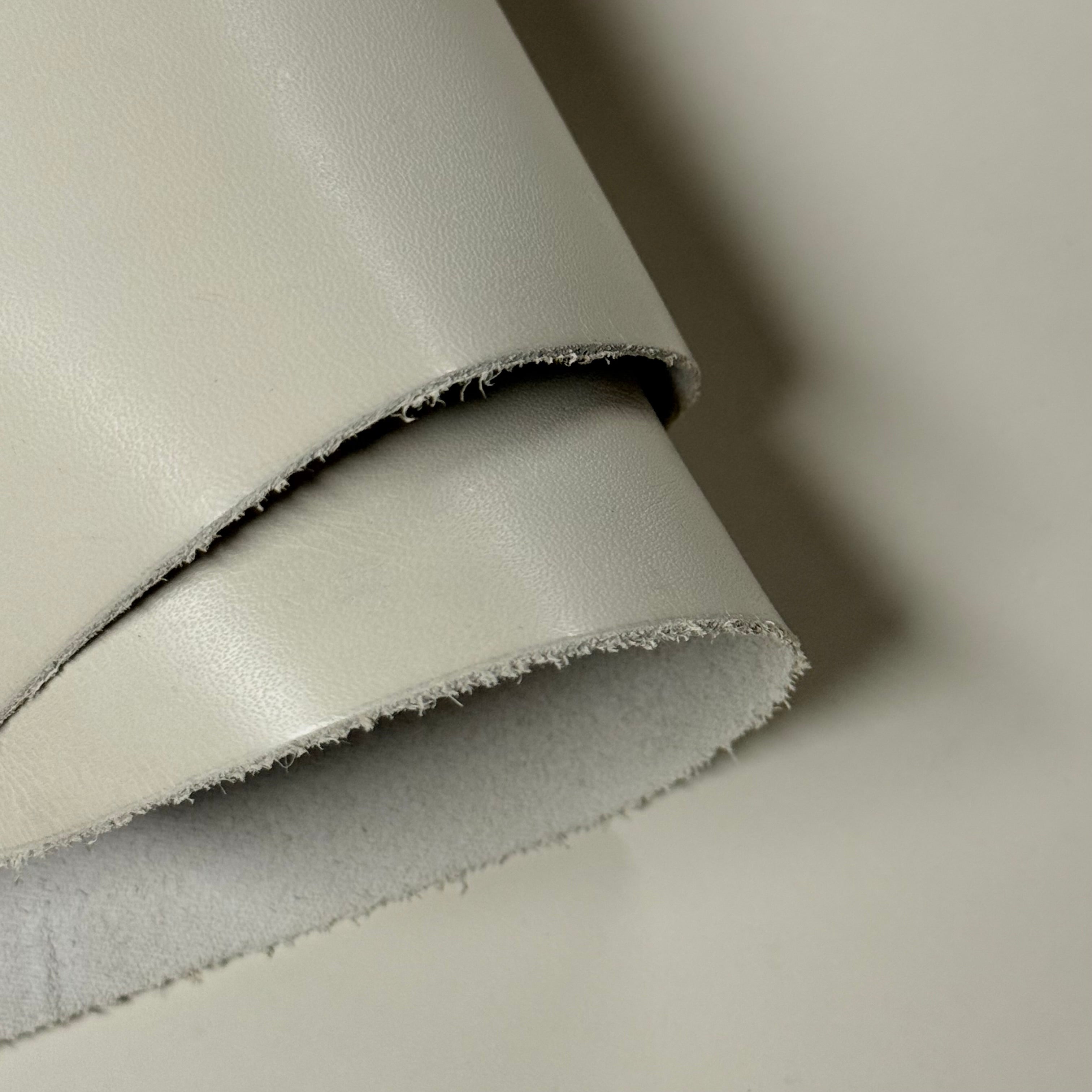
- Thickness: 1.6-2.0 mm | 4-5 oz
- Tannage: Chrome (Latigo Tanning Characteristics)
- Finish: Aniline
- Temper: Medium
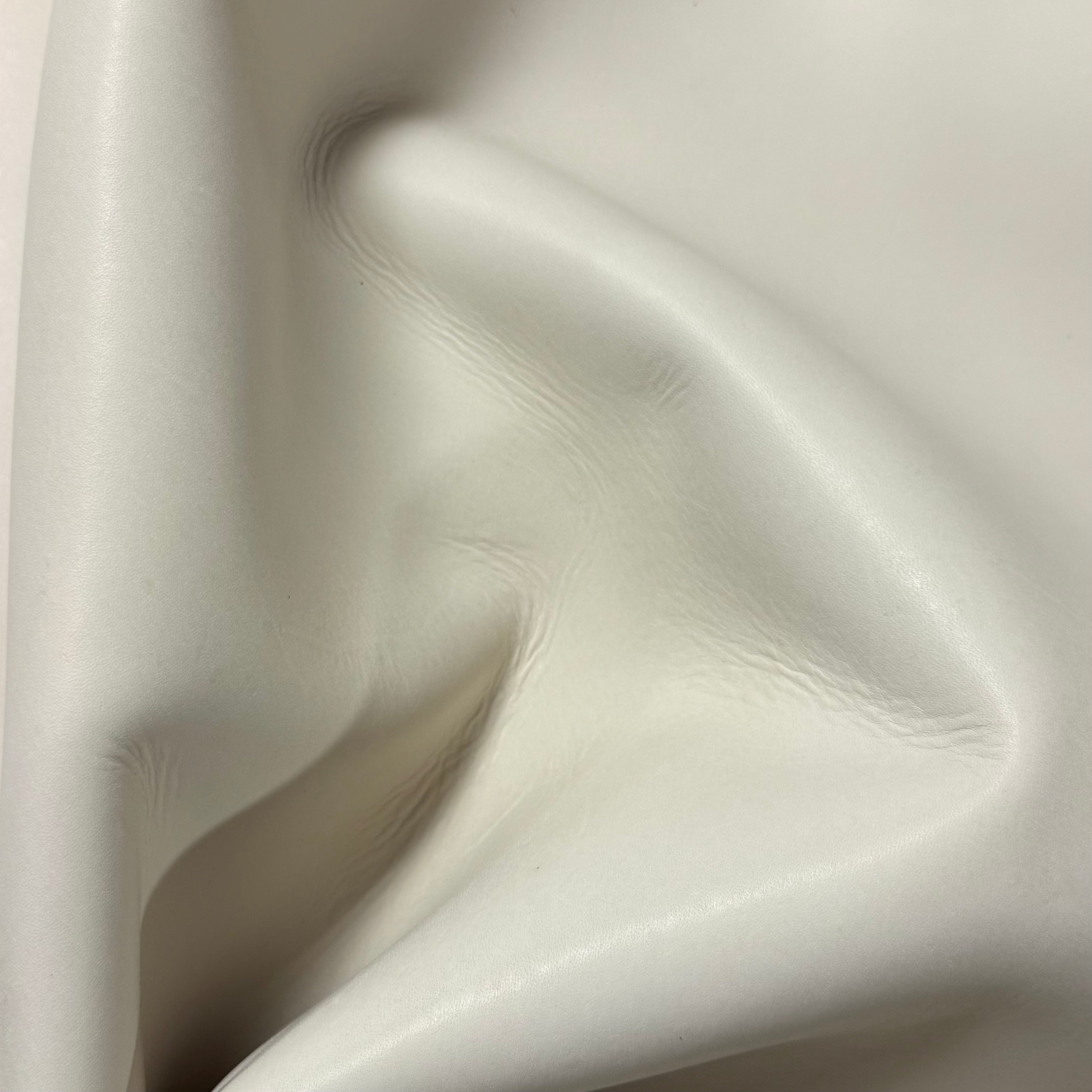
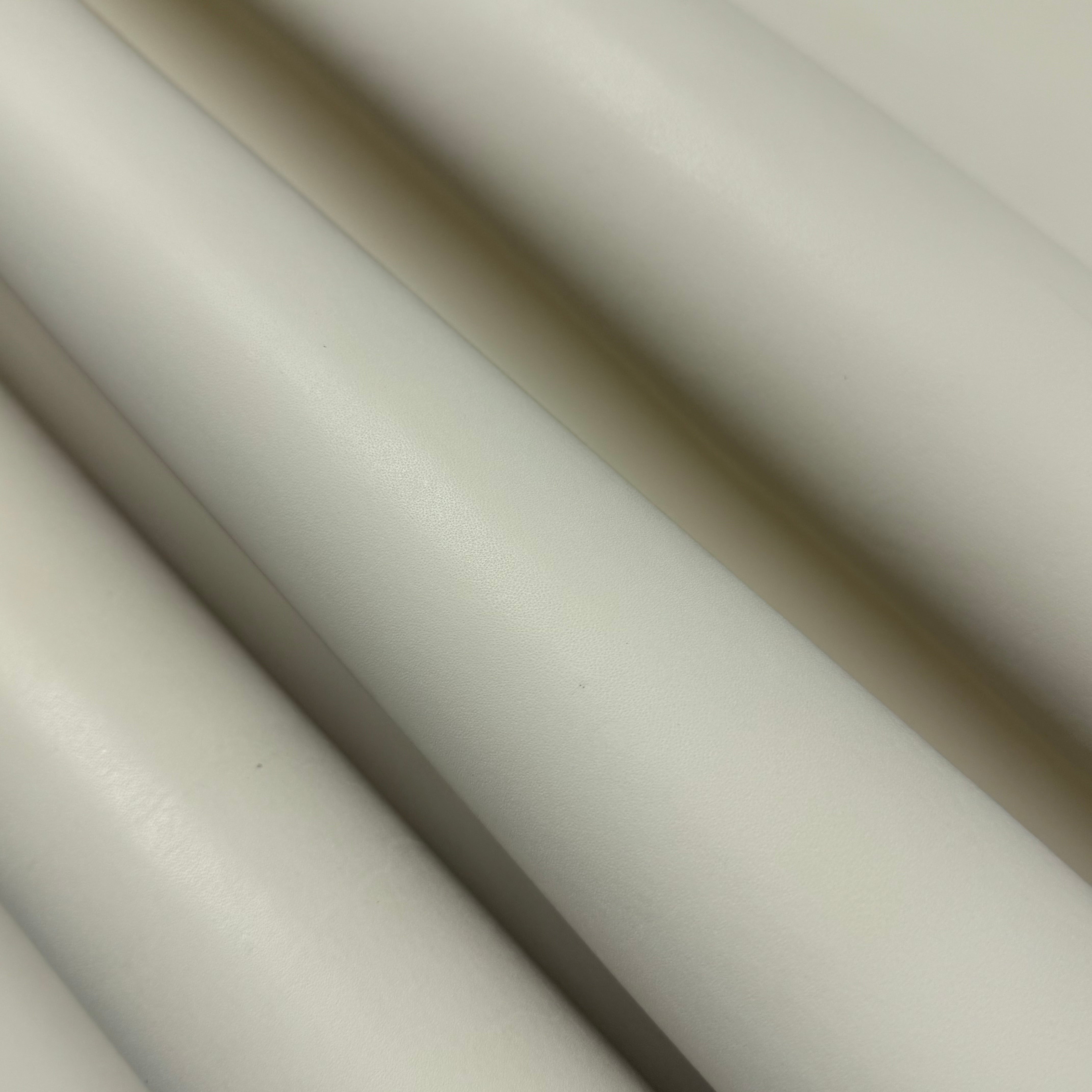
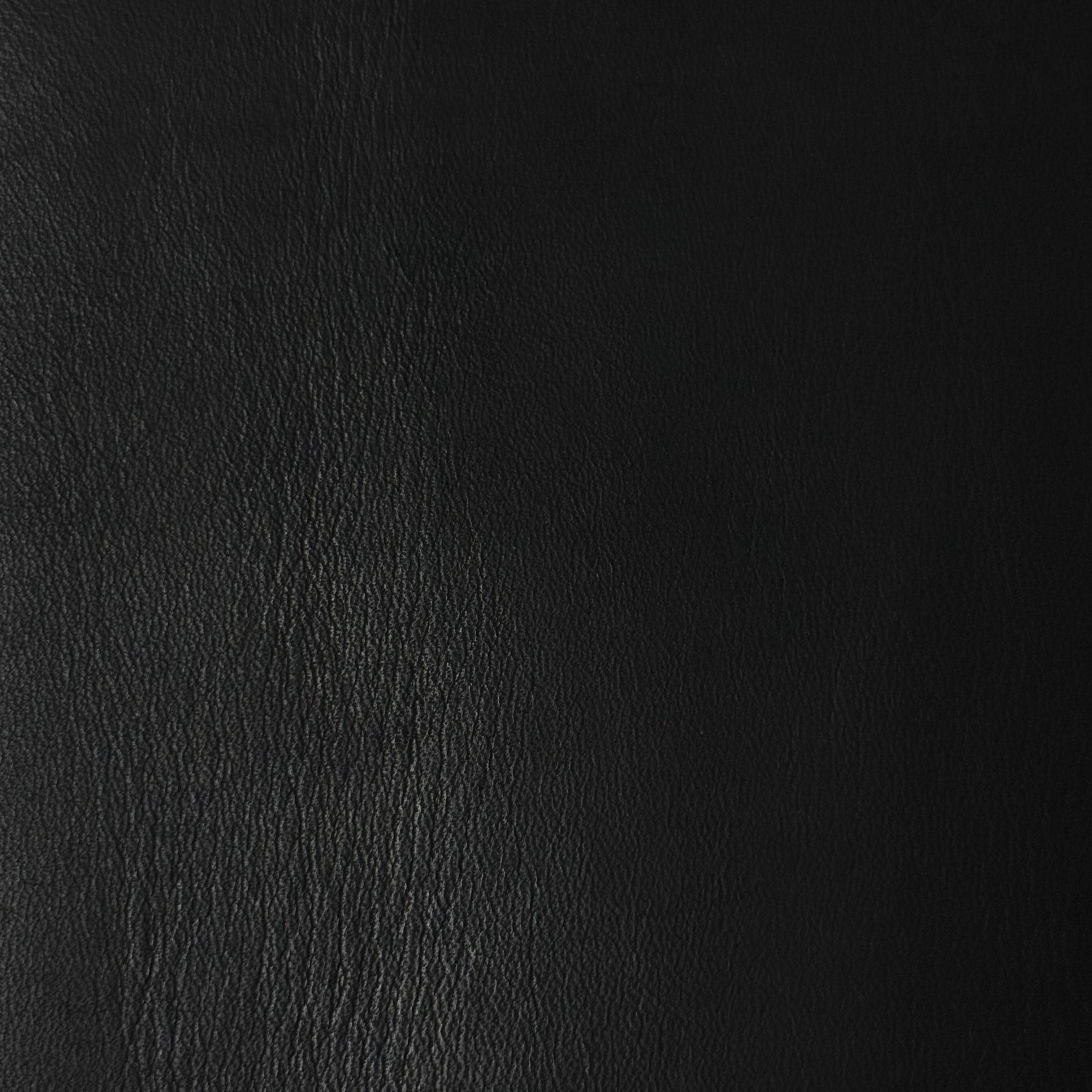
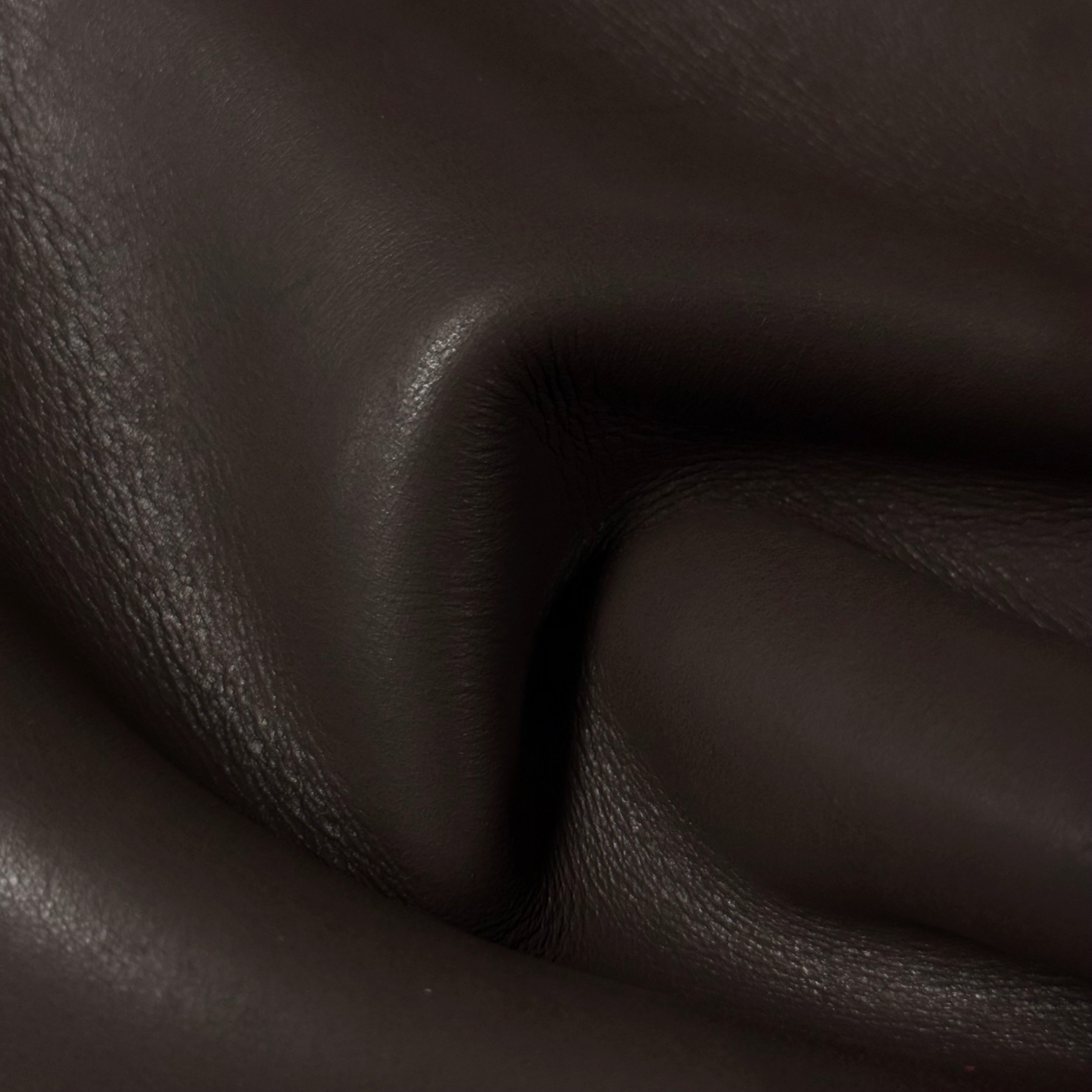
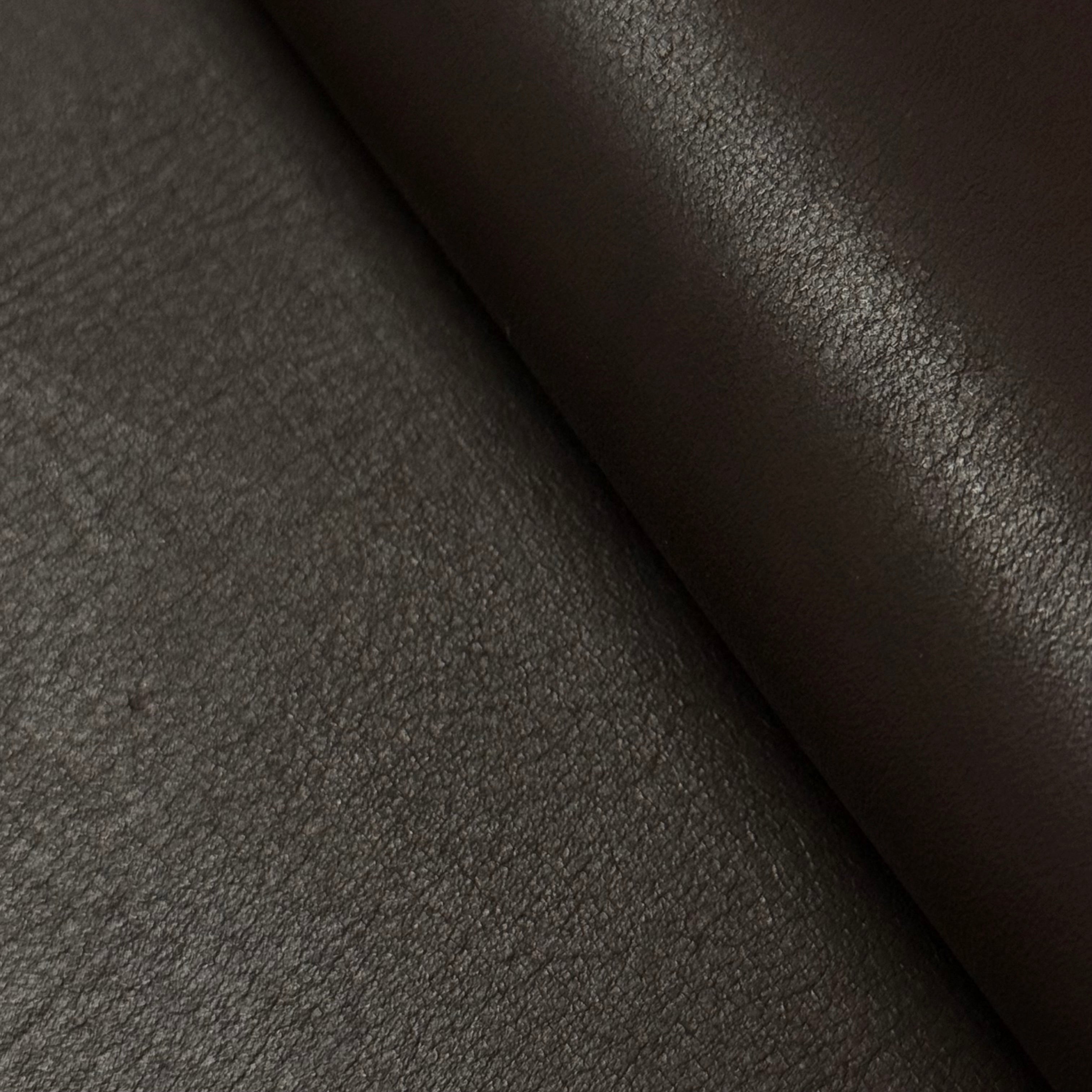
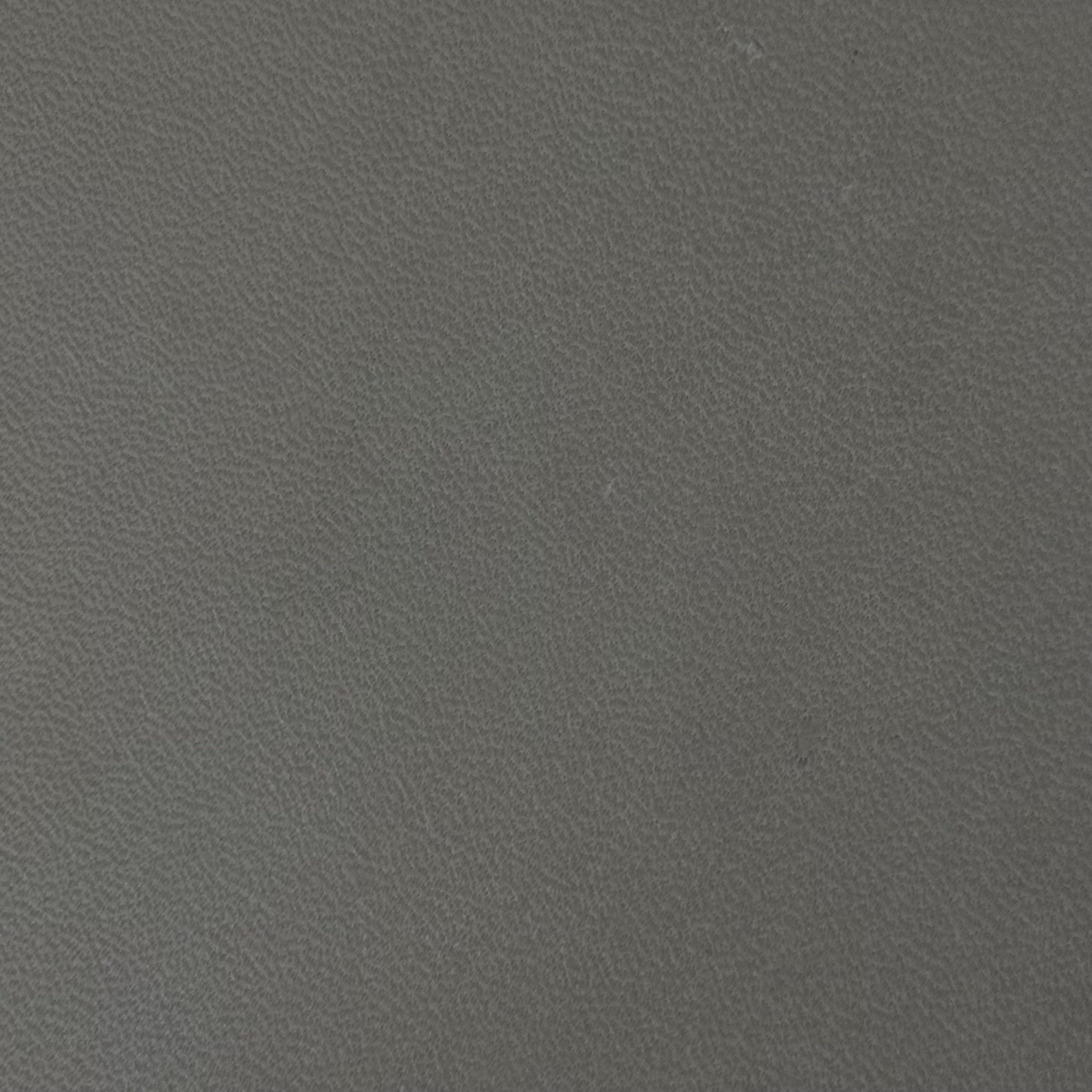
- Texture: Smooth
- Drying: Vacuum Dried
- Features: Burnishable, Embossable, Water-Tolerant Finish
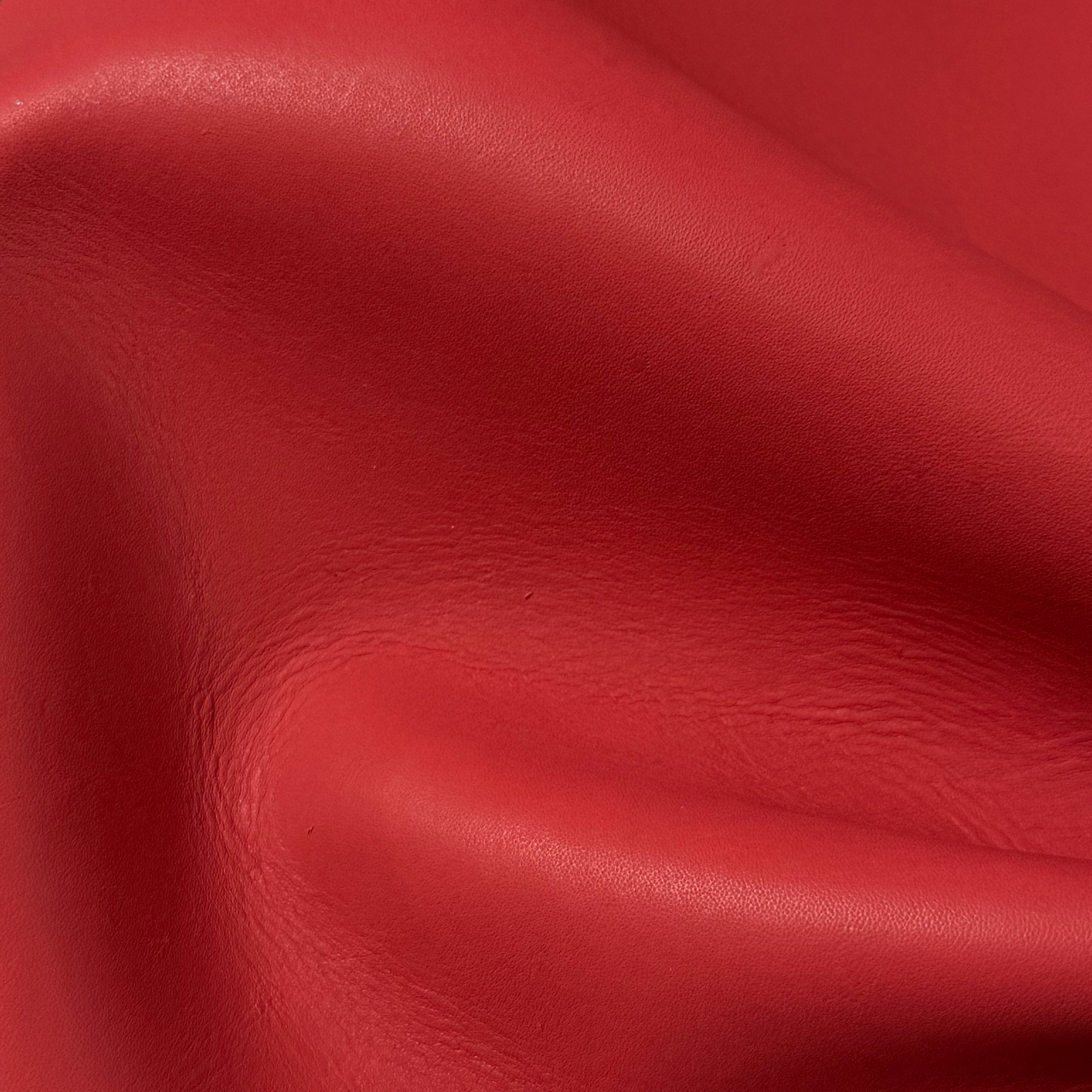
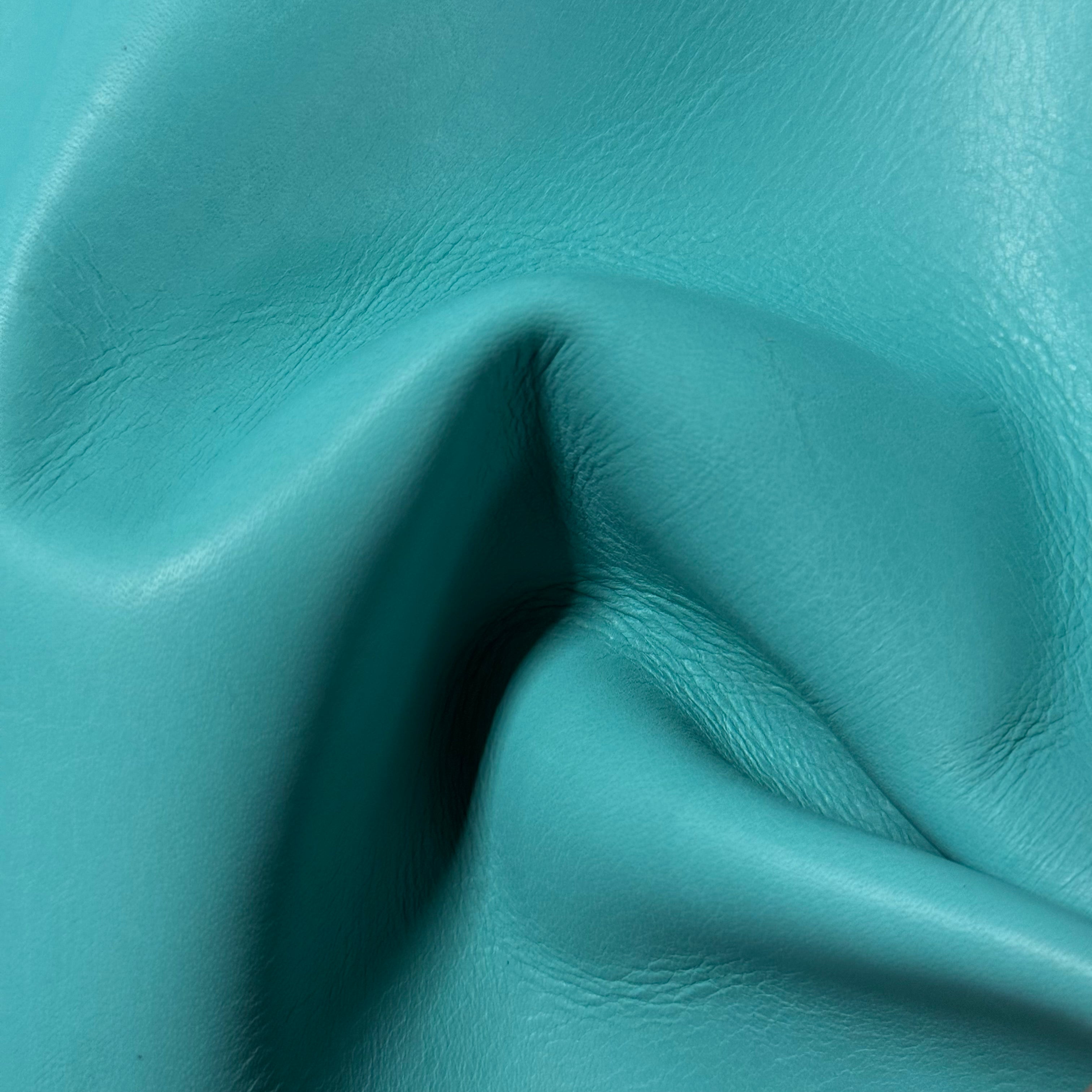
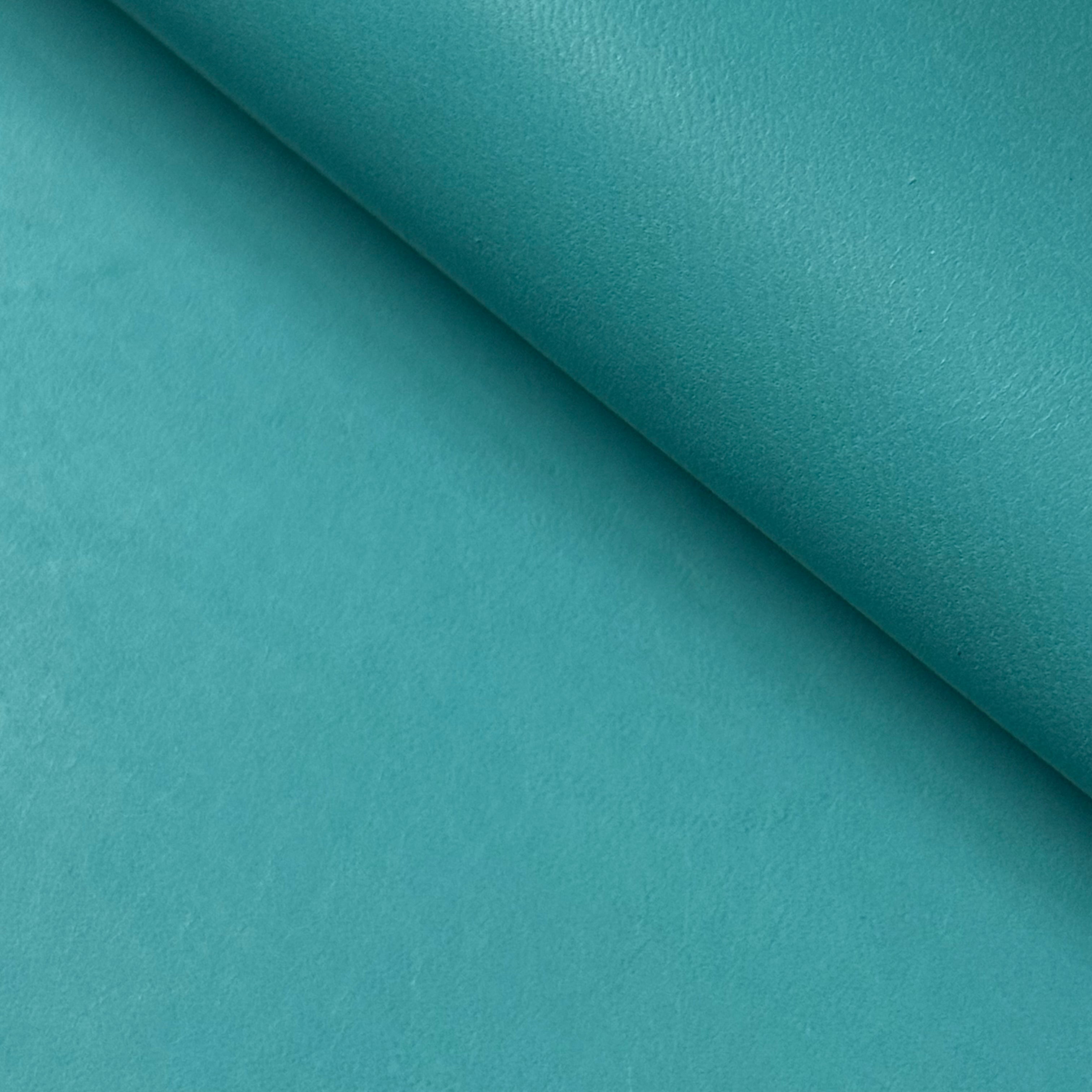
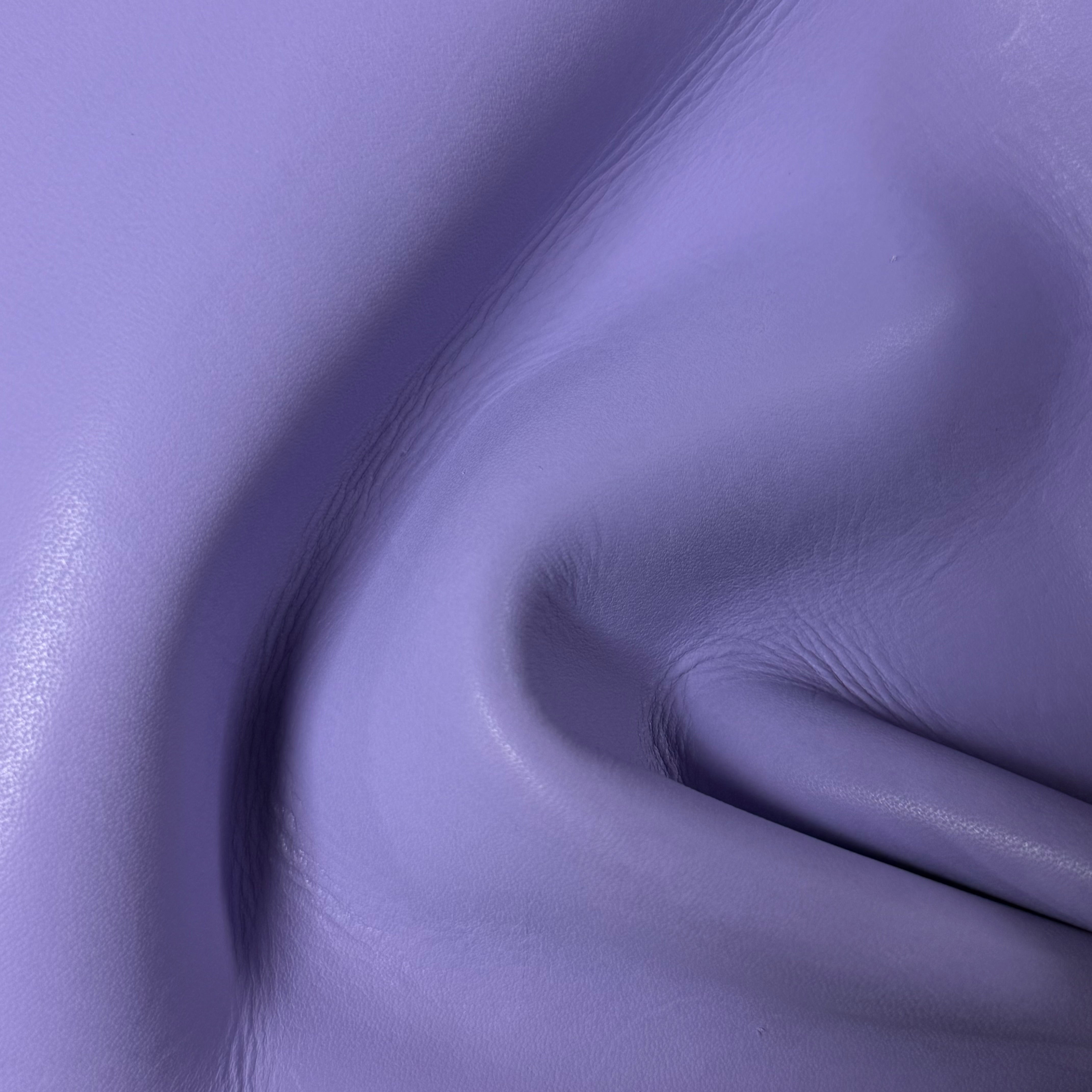
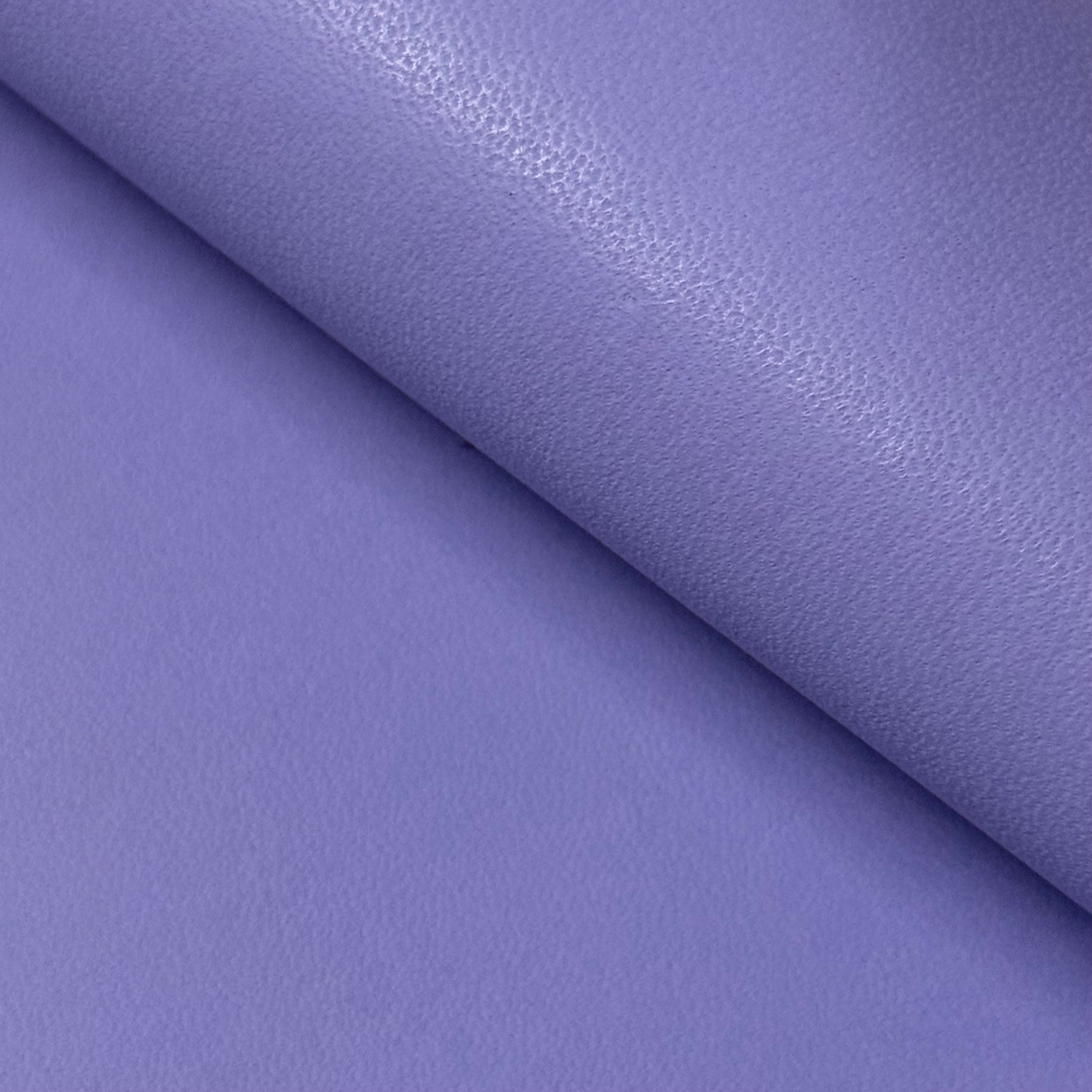
- Colors: 15+ Colors
- Uses: Belting, Straps and Handles, Bookbinding, Journals, Menu Covers, Placemats, Footwear, Leather Goods & Accessories
About Smooth Utility Cowhide
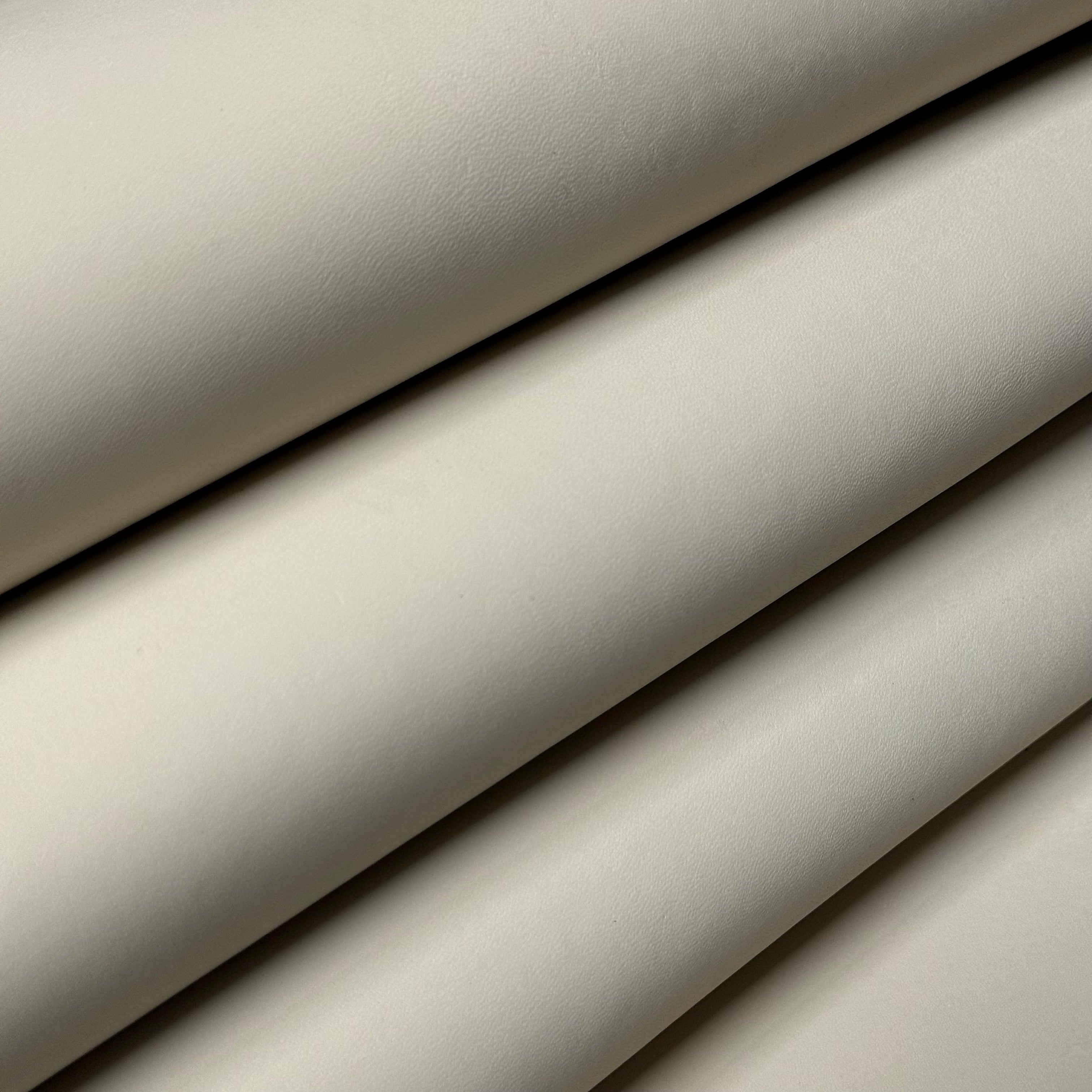
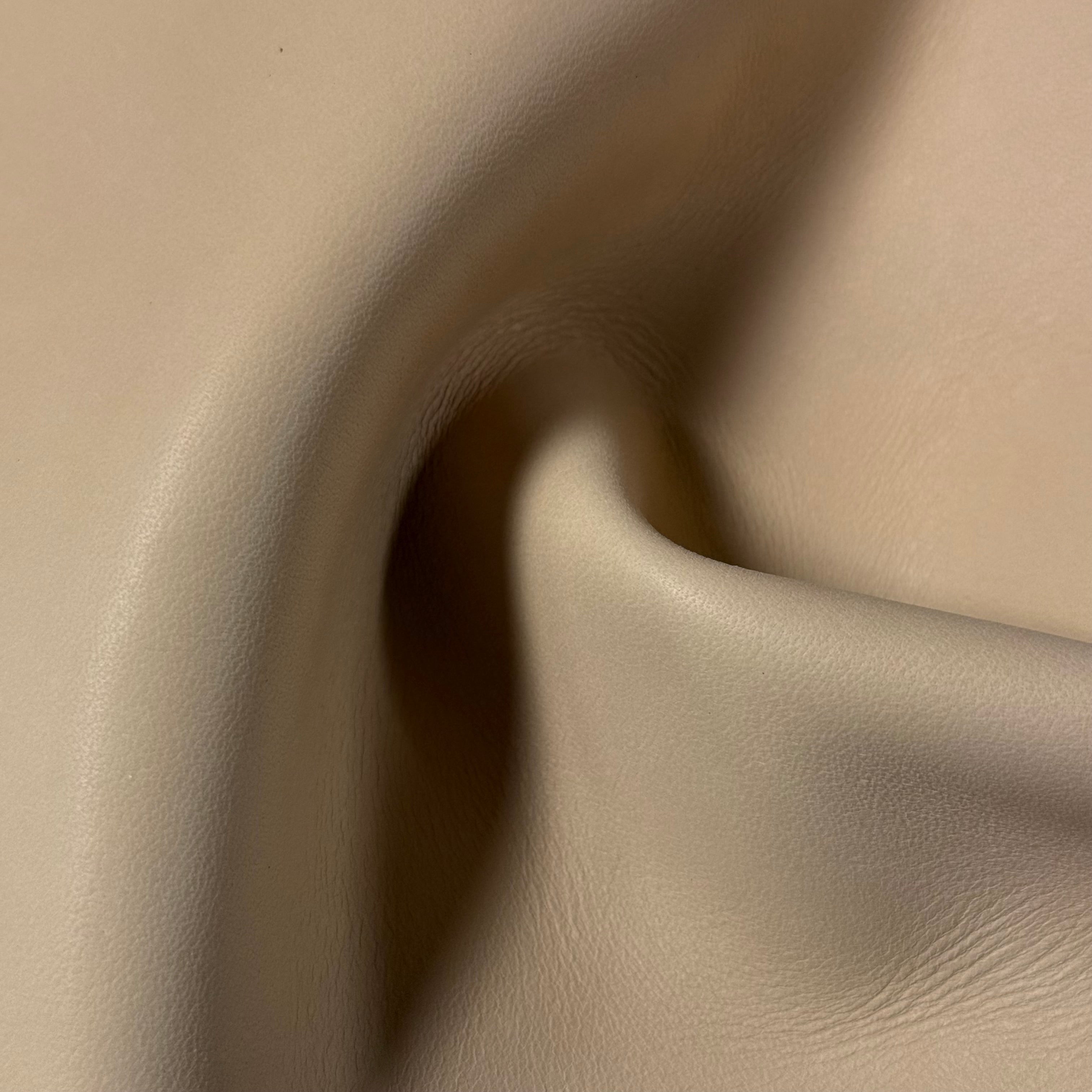
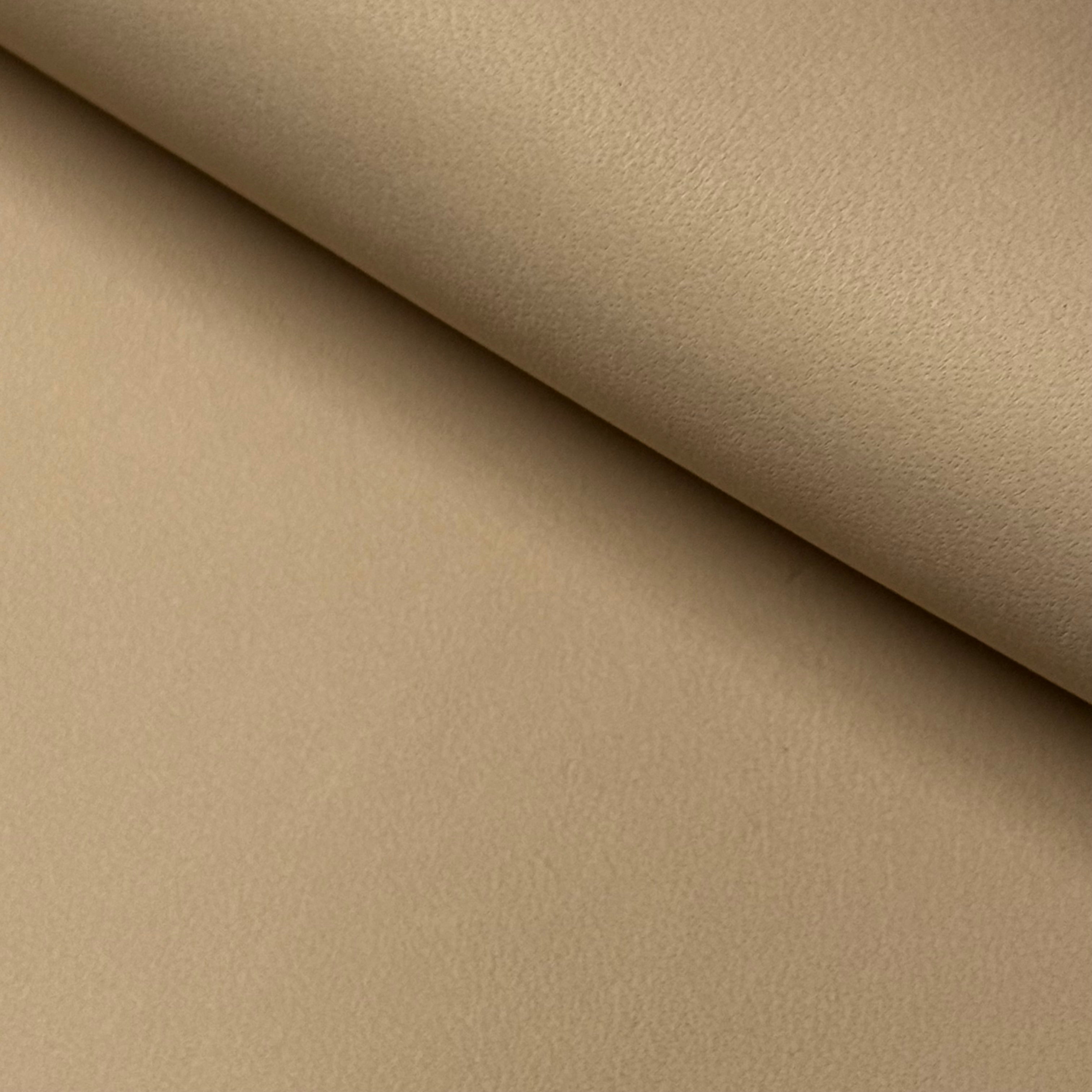
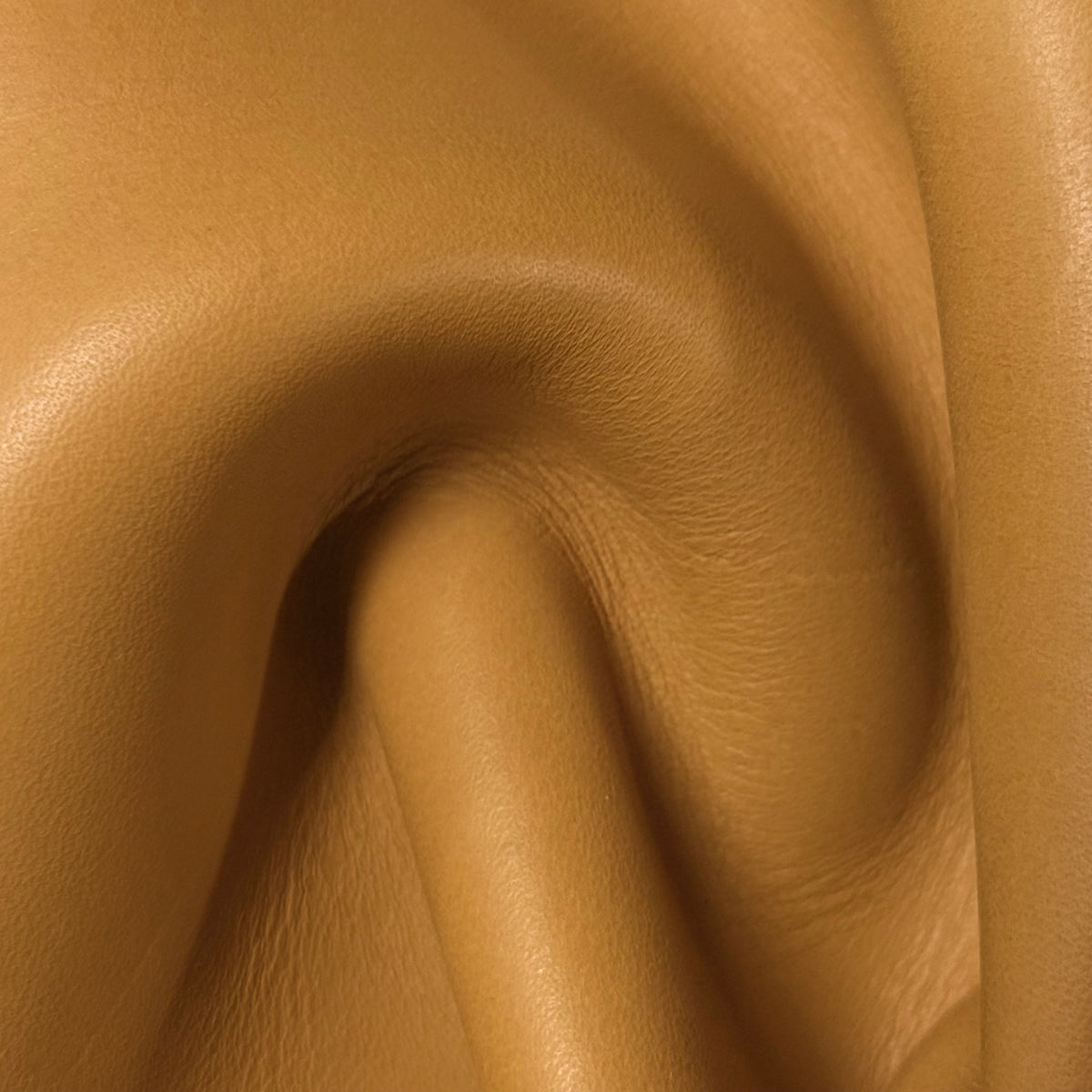
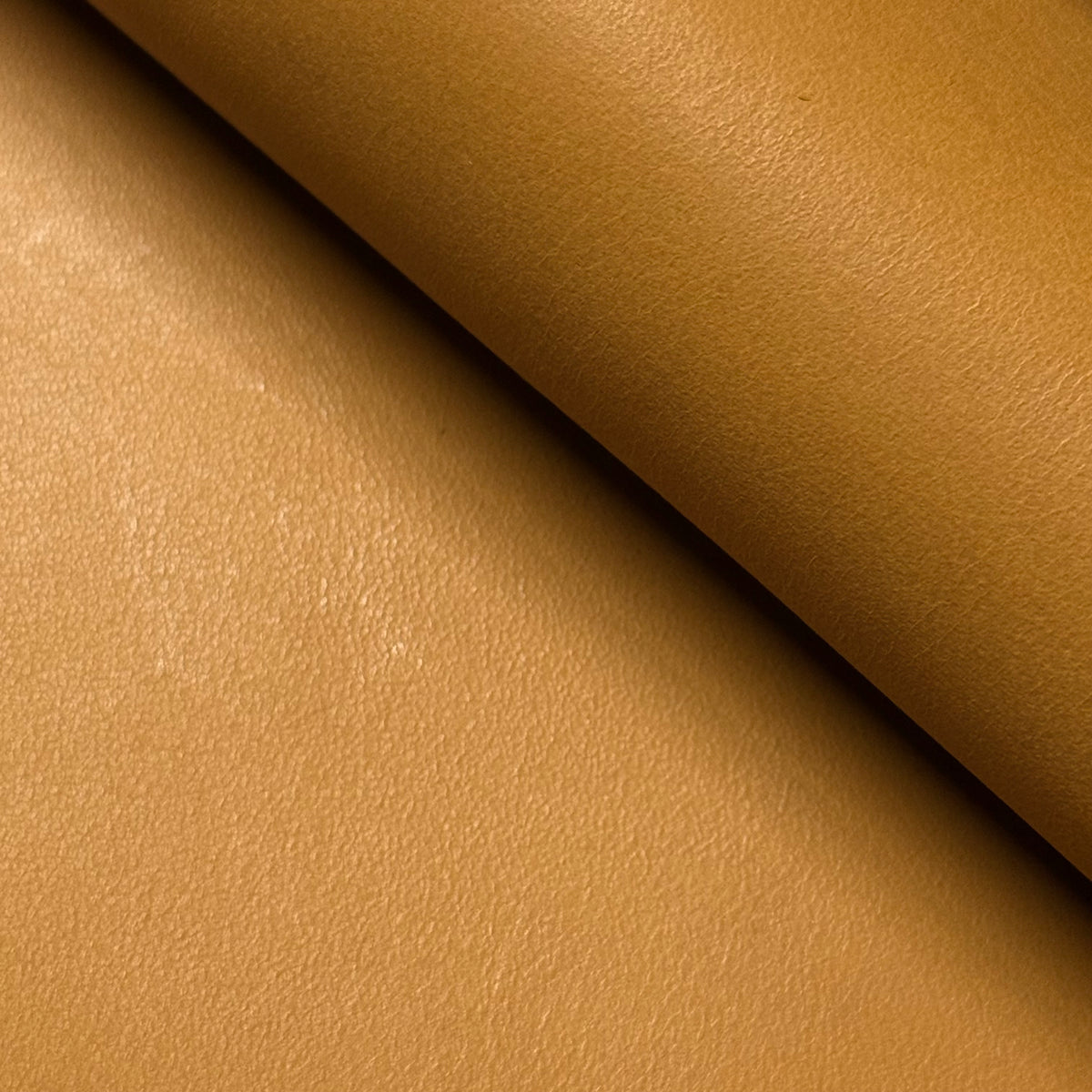
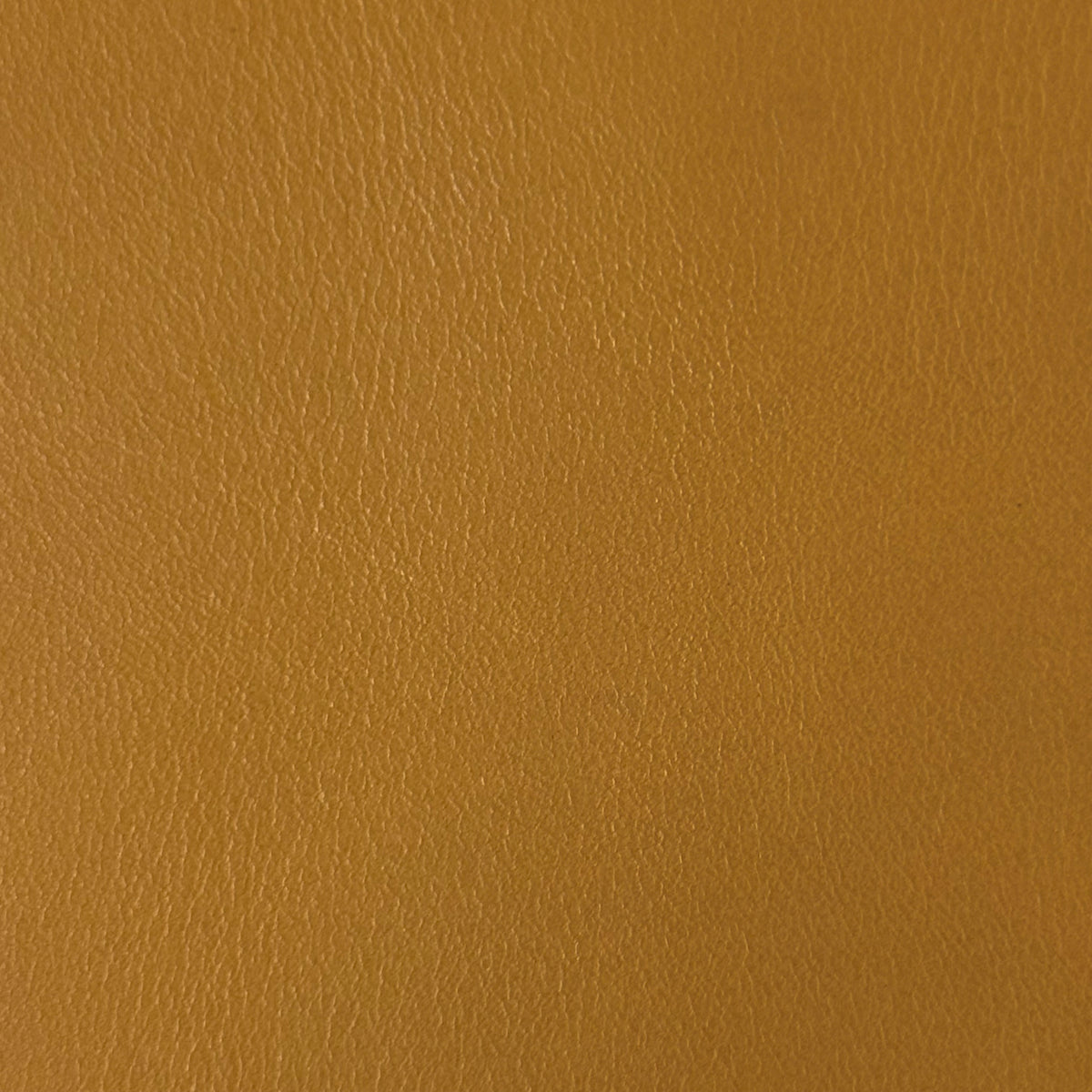
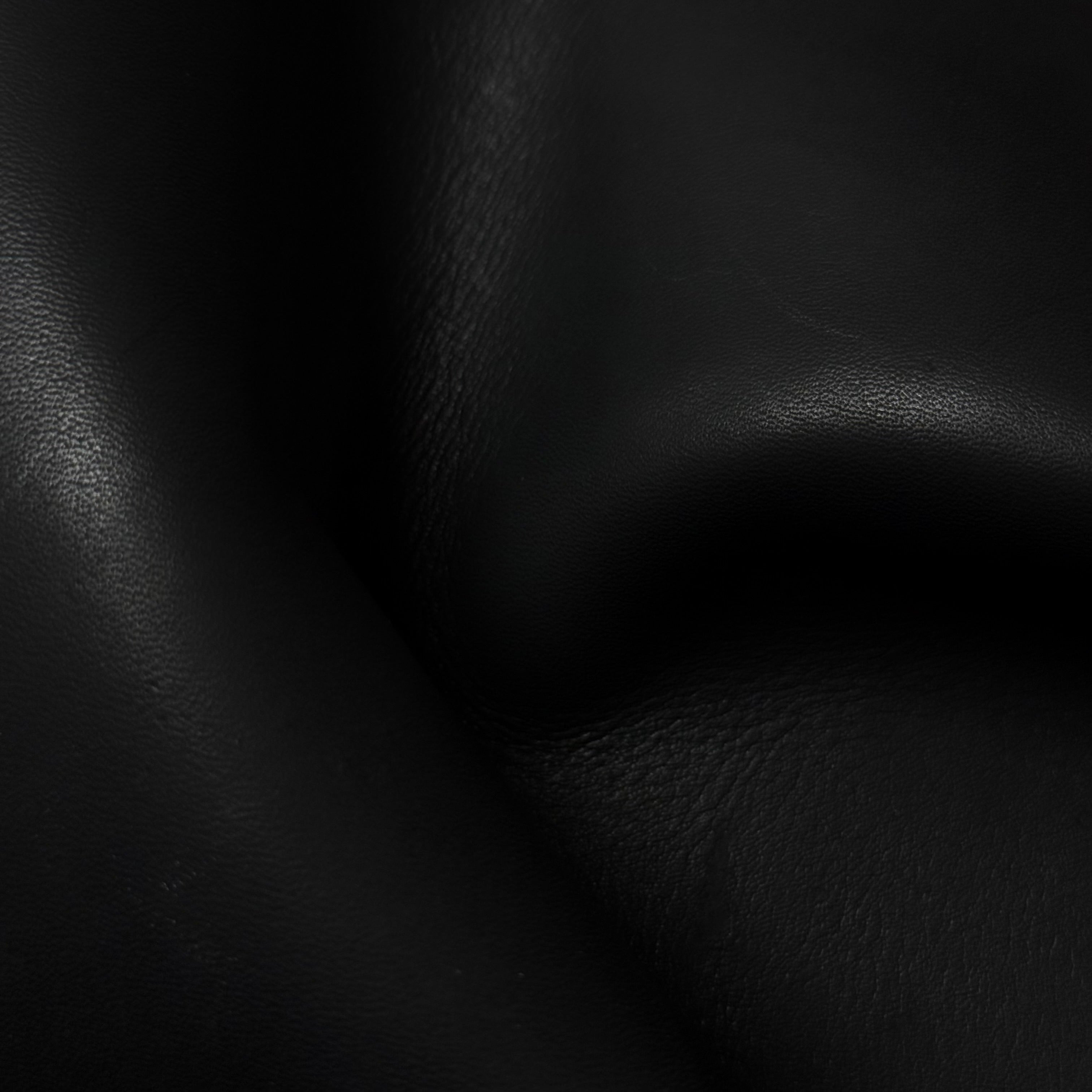
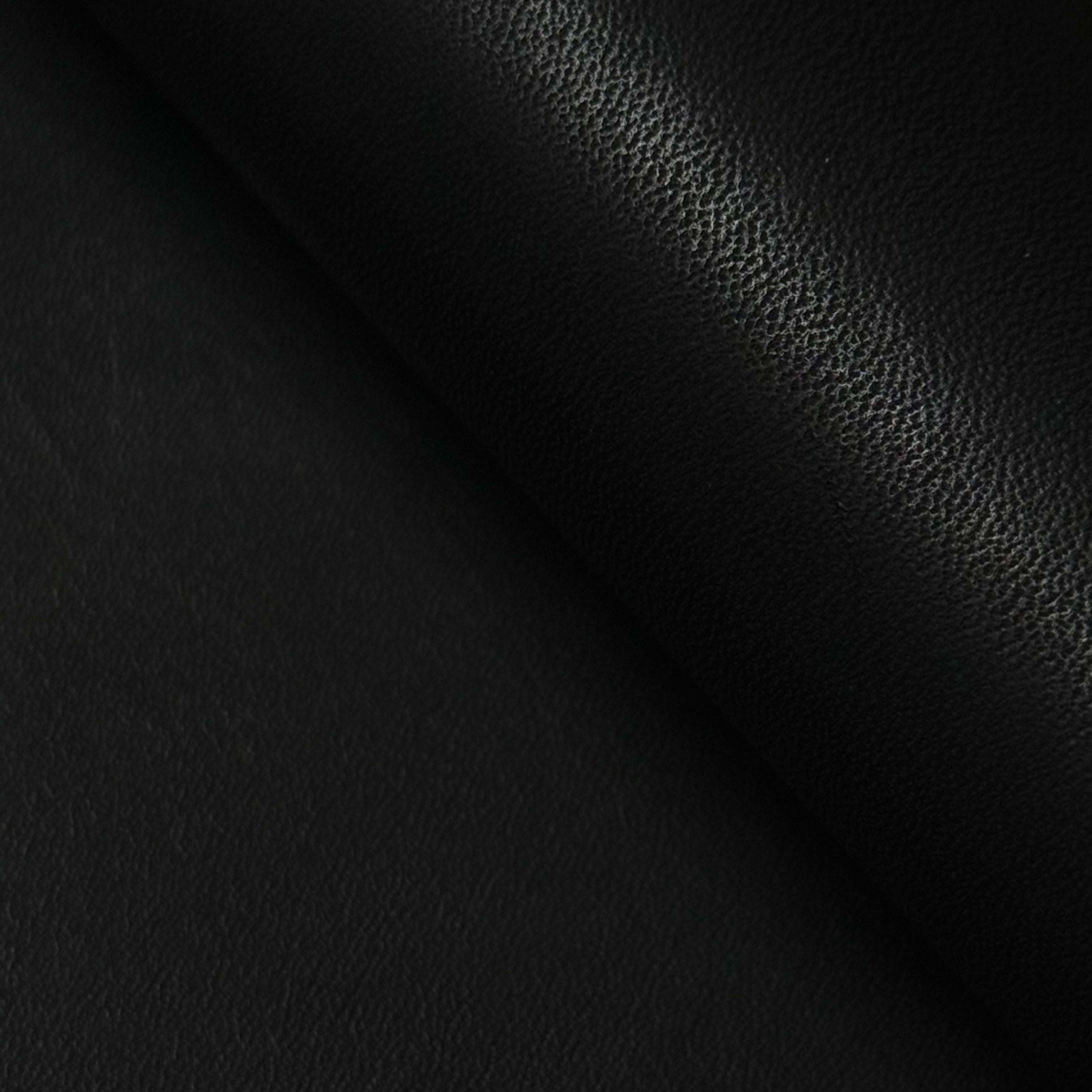
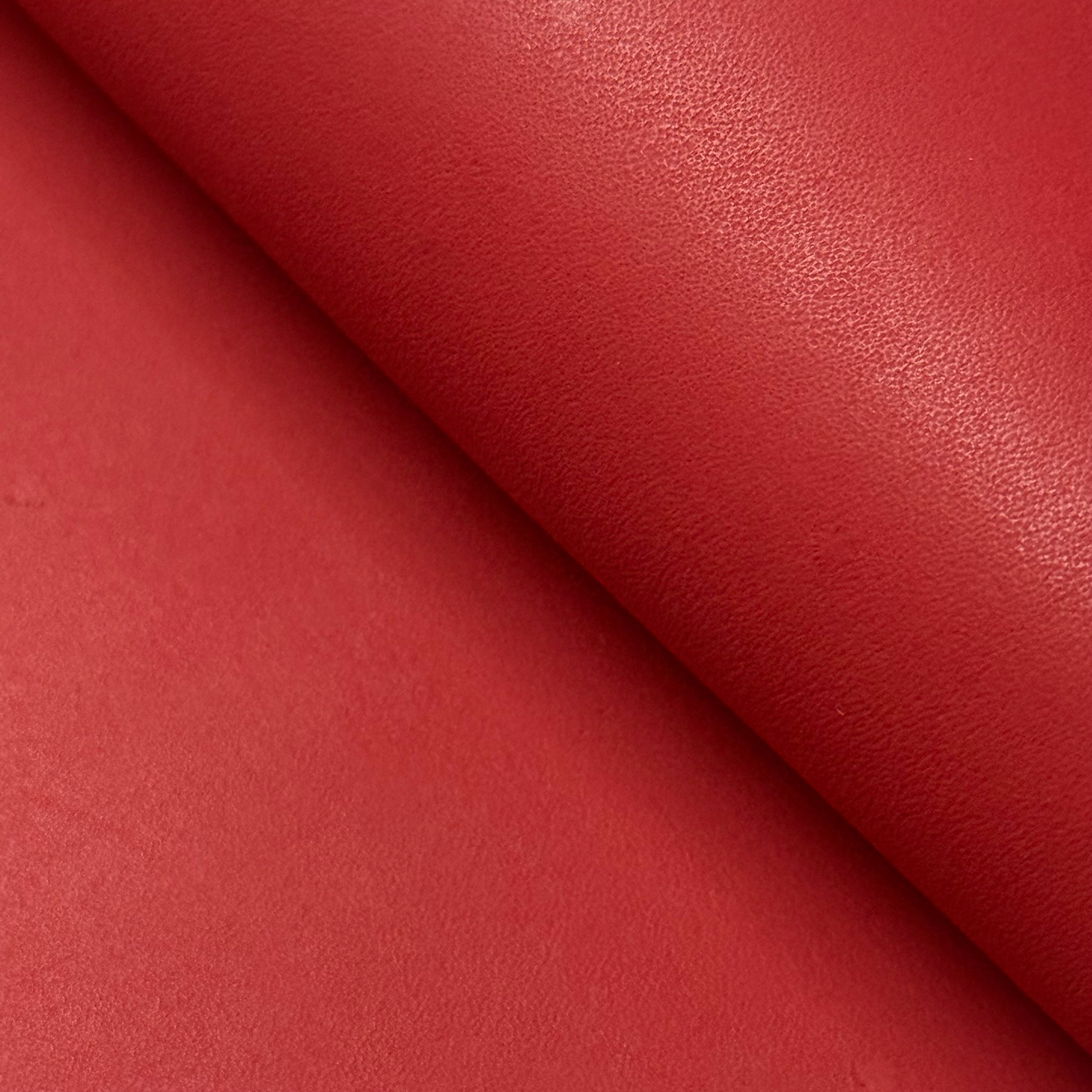
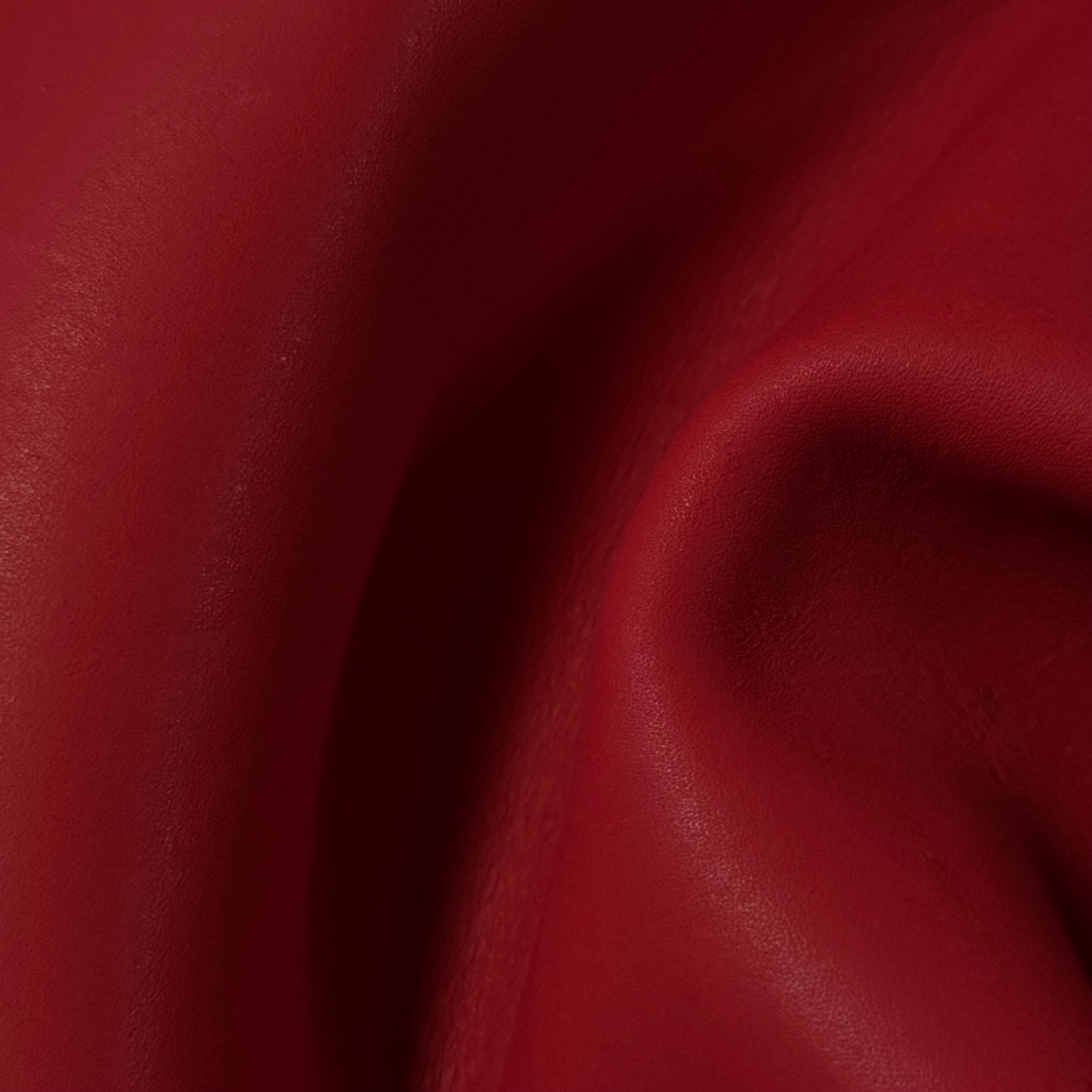
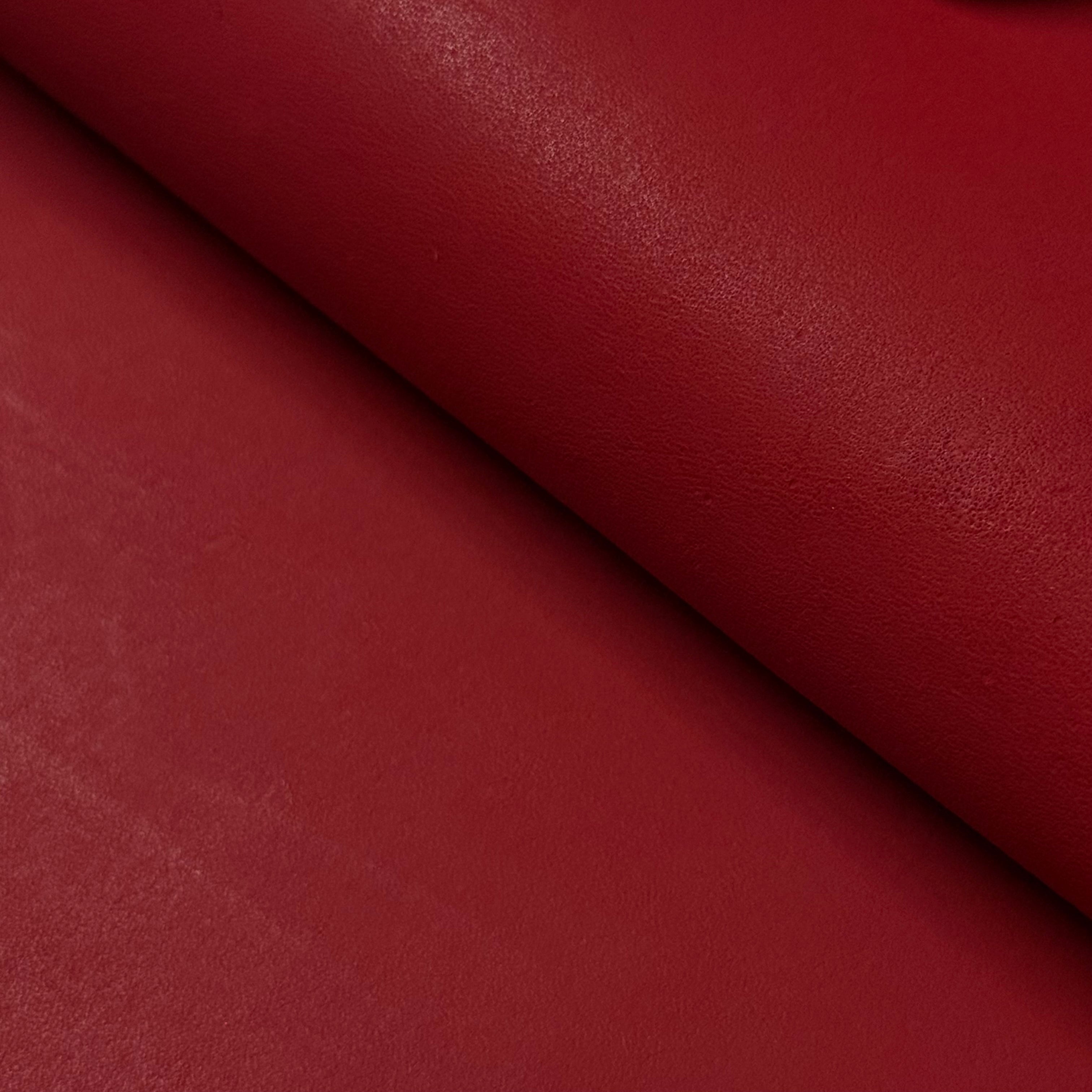
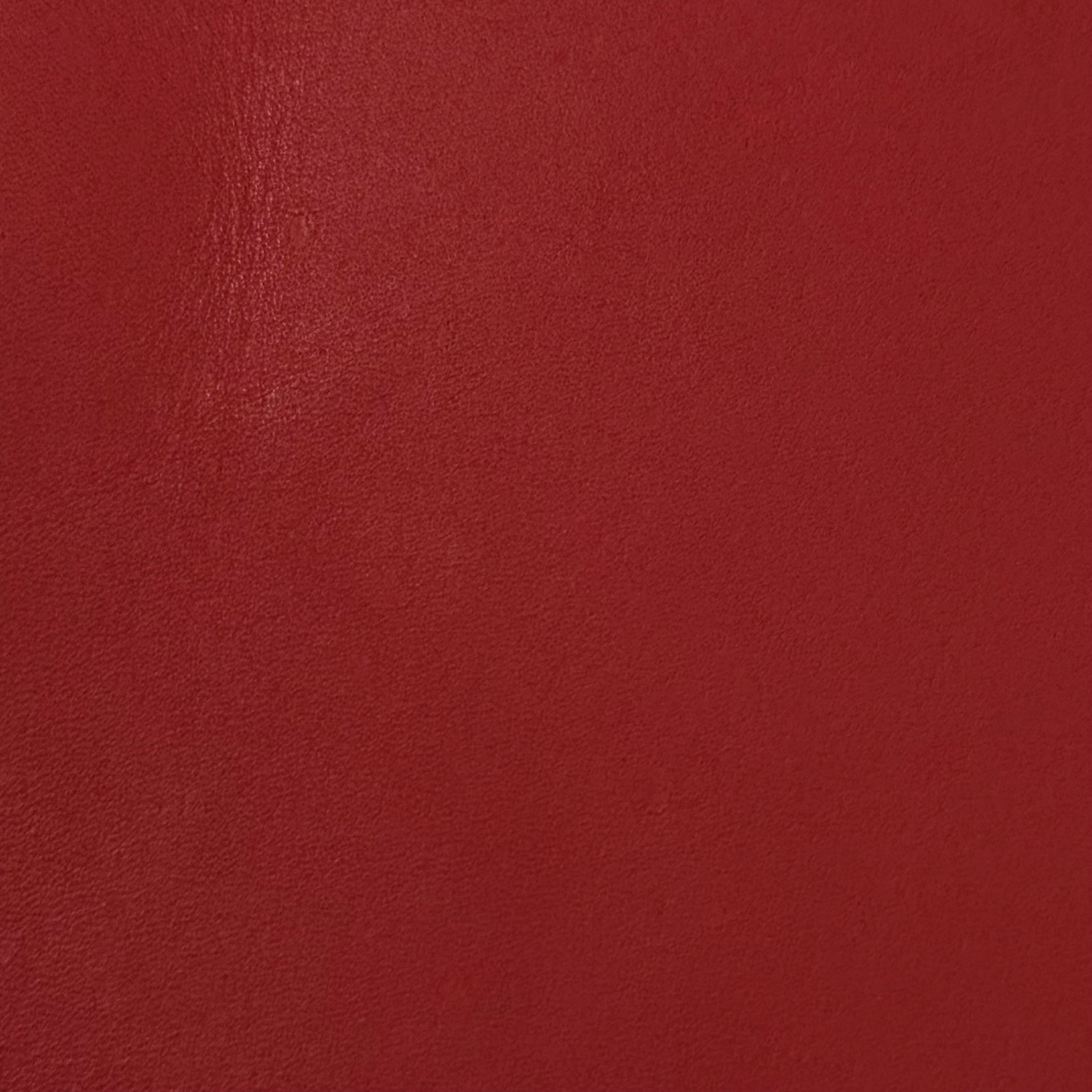
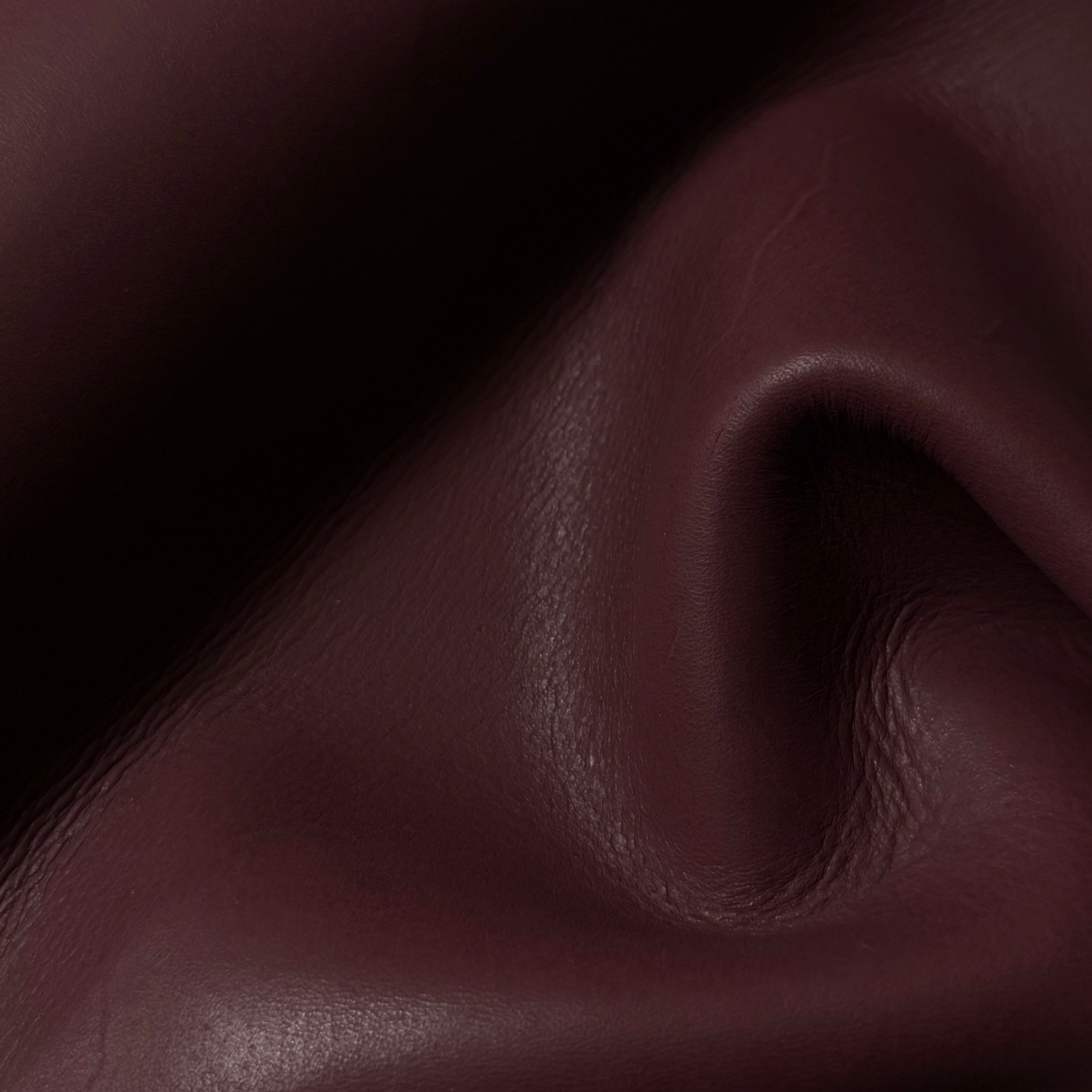
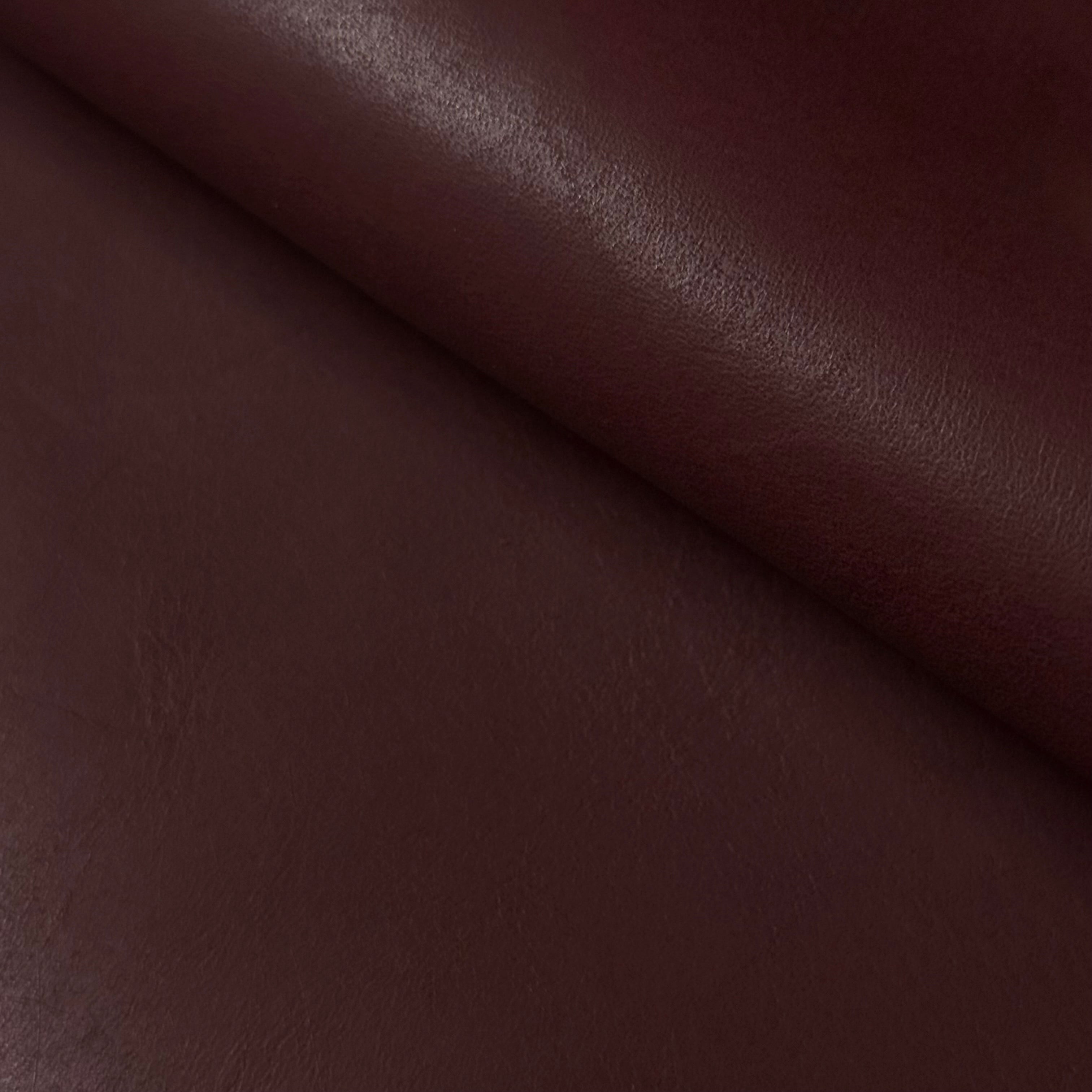
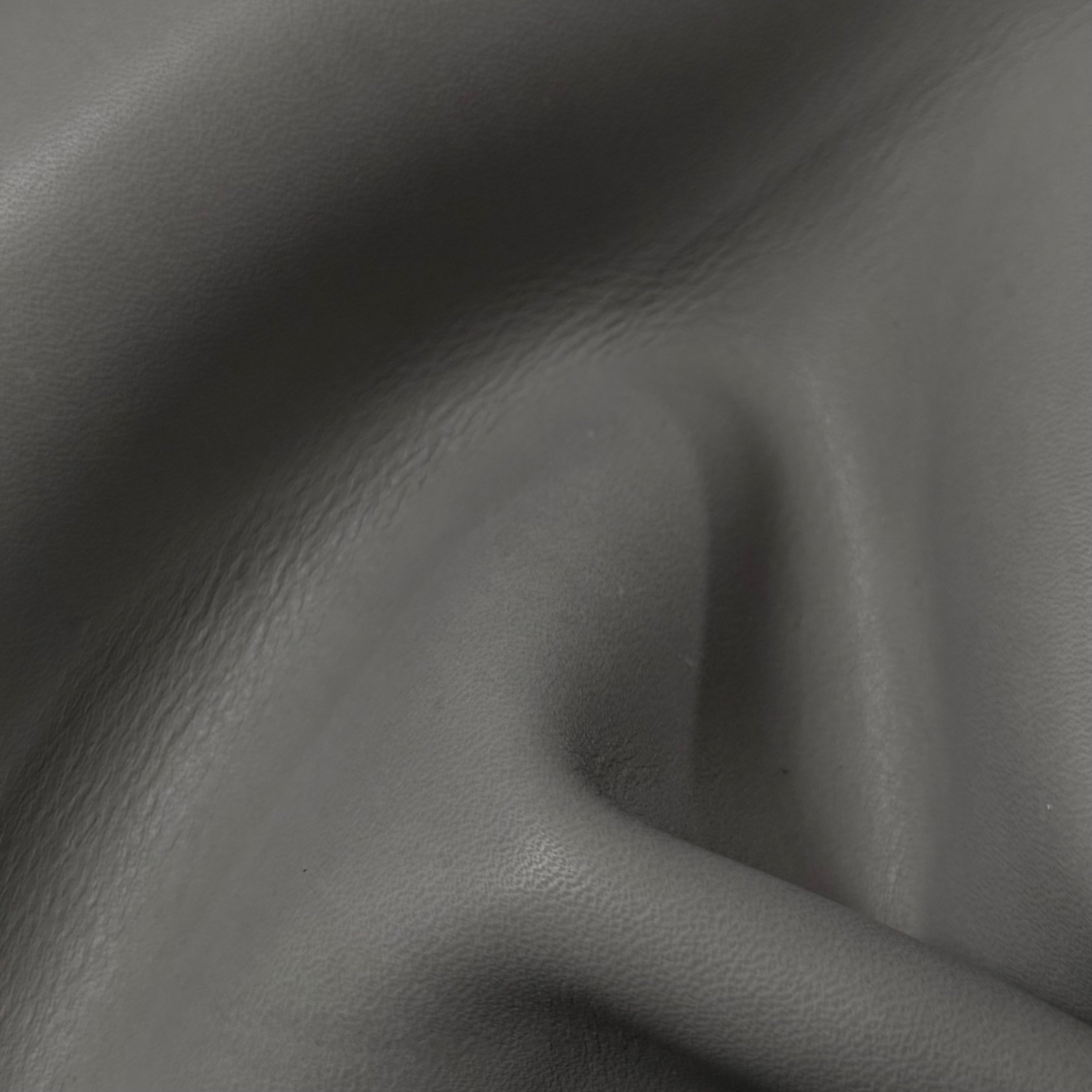
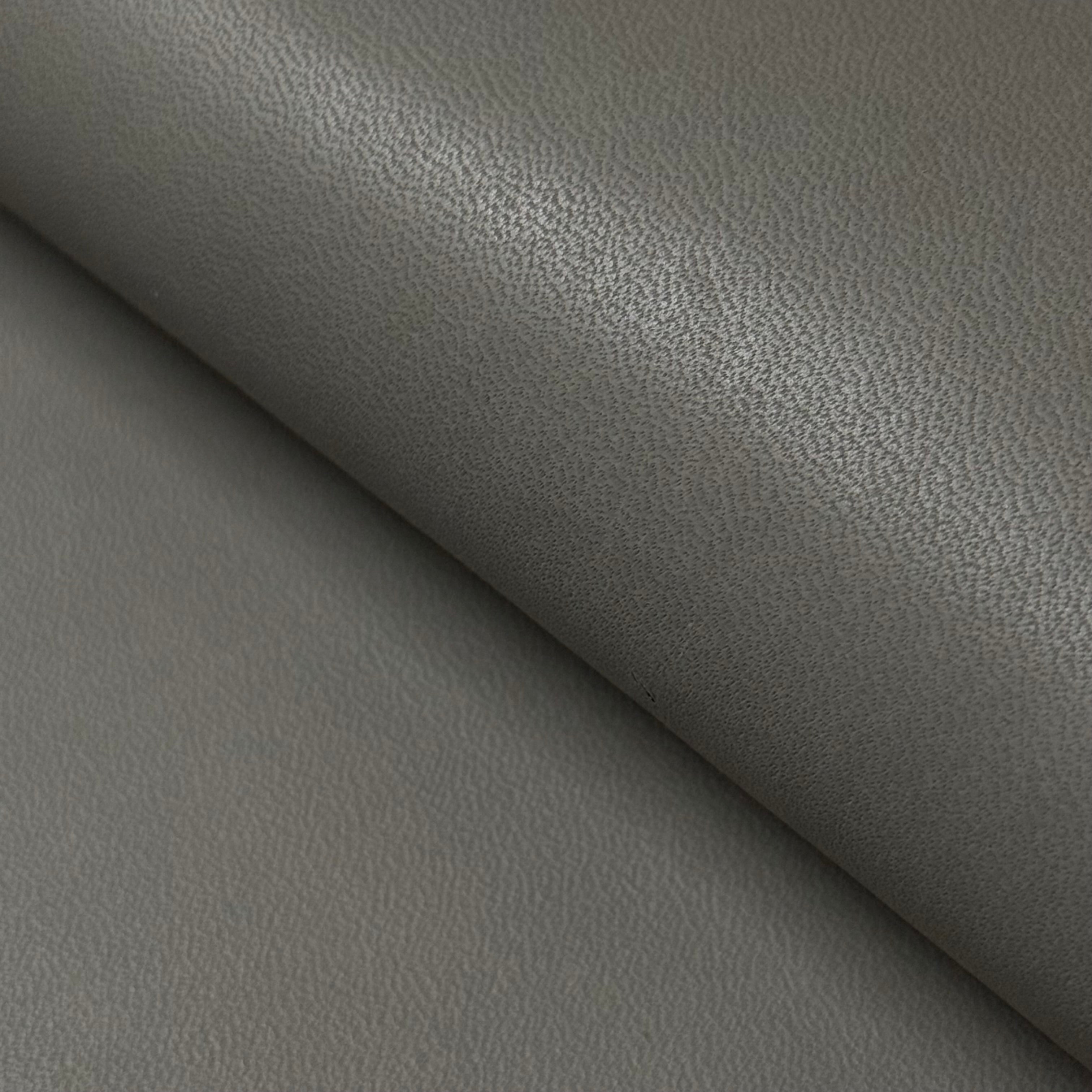
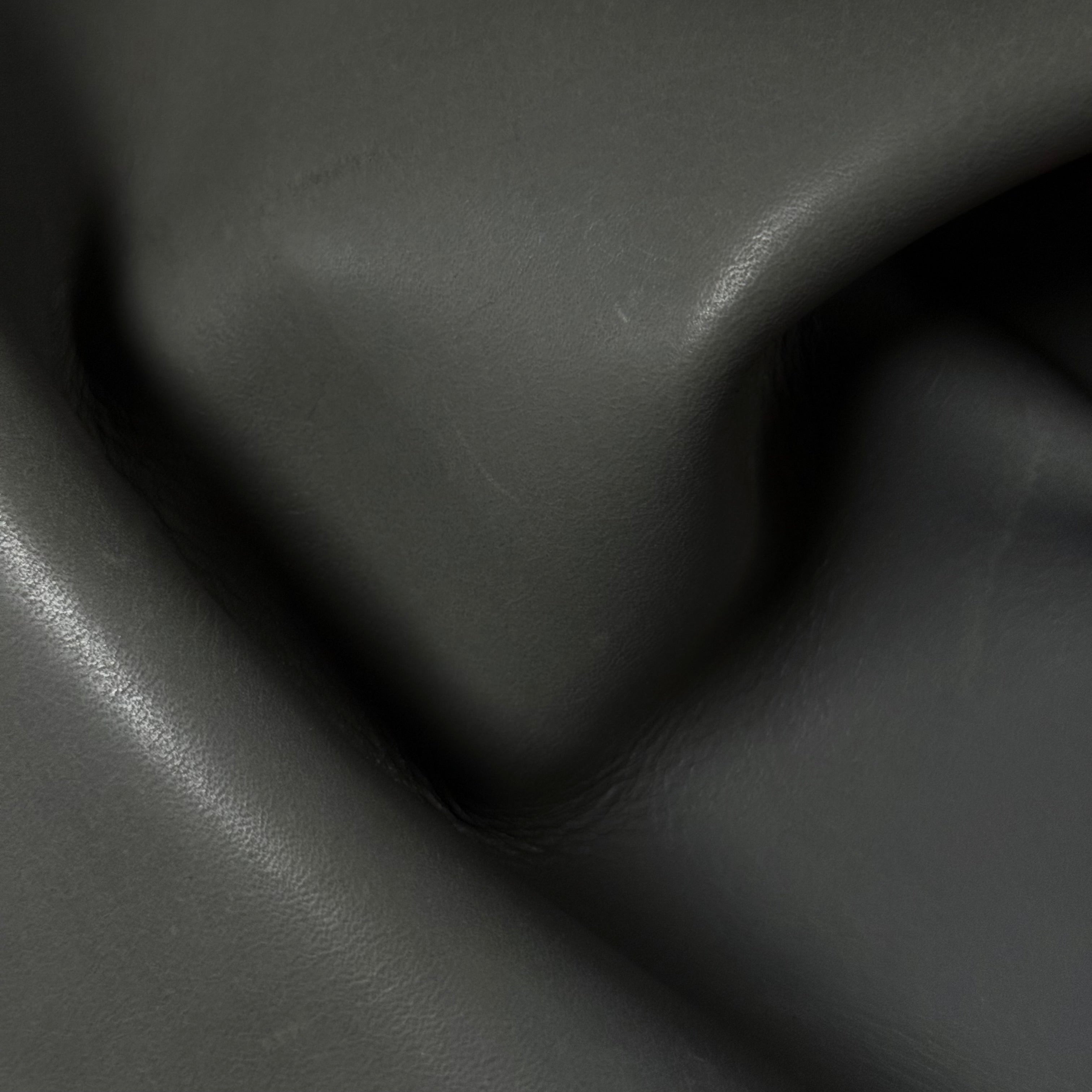
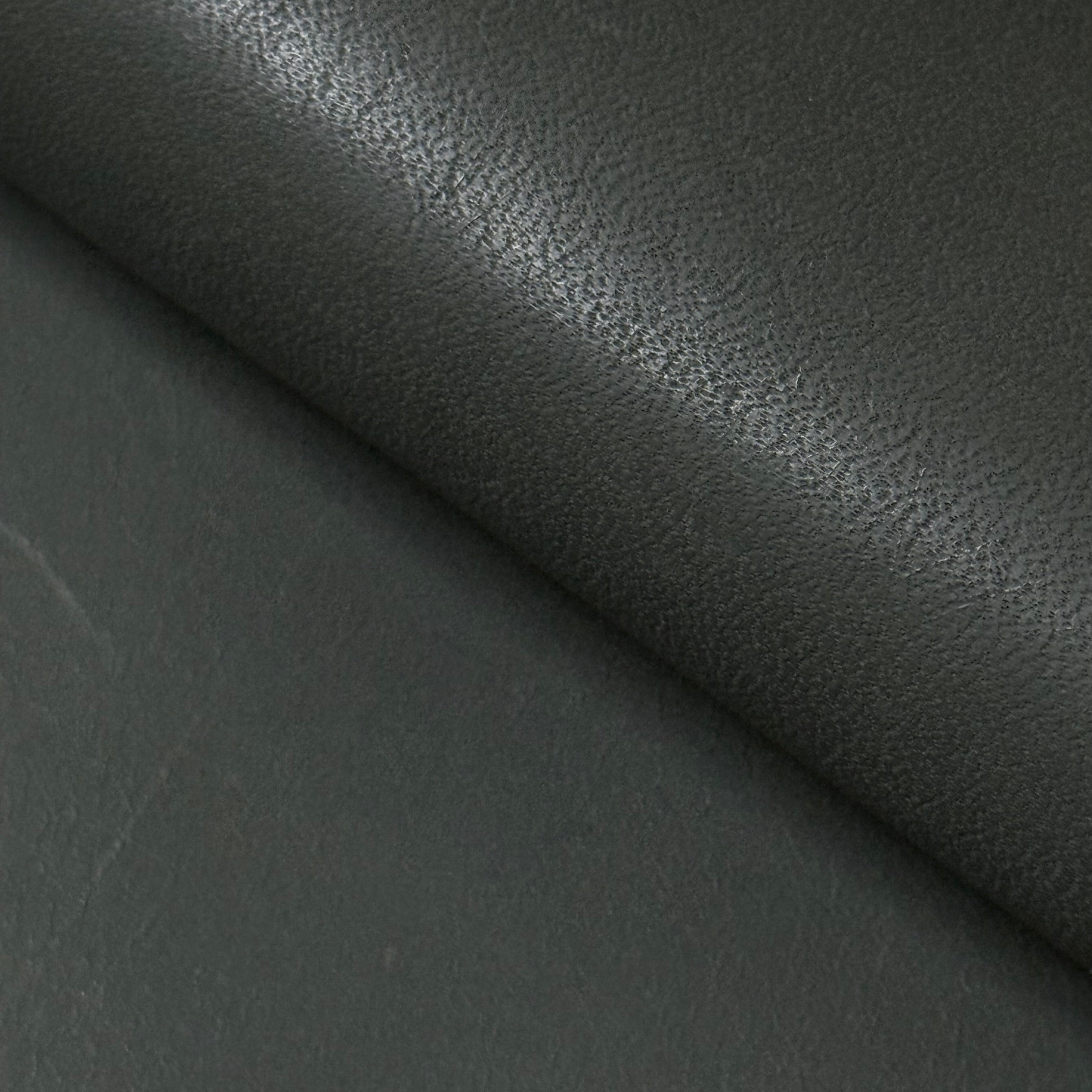
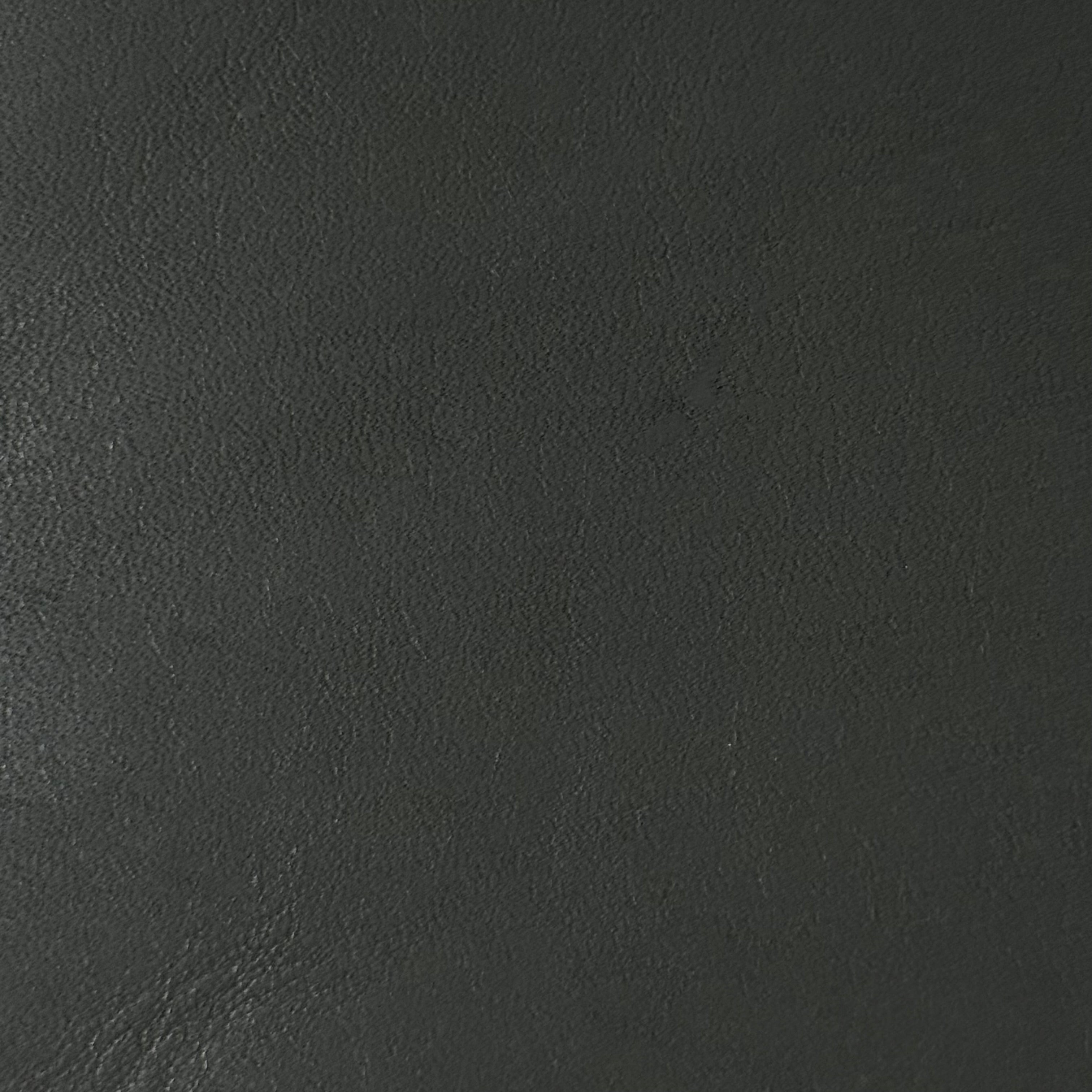
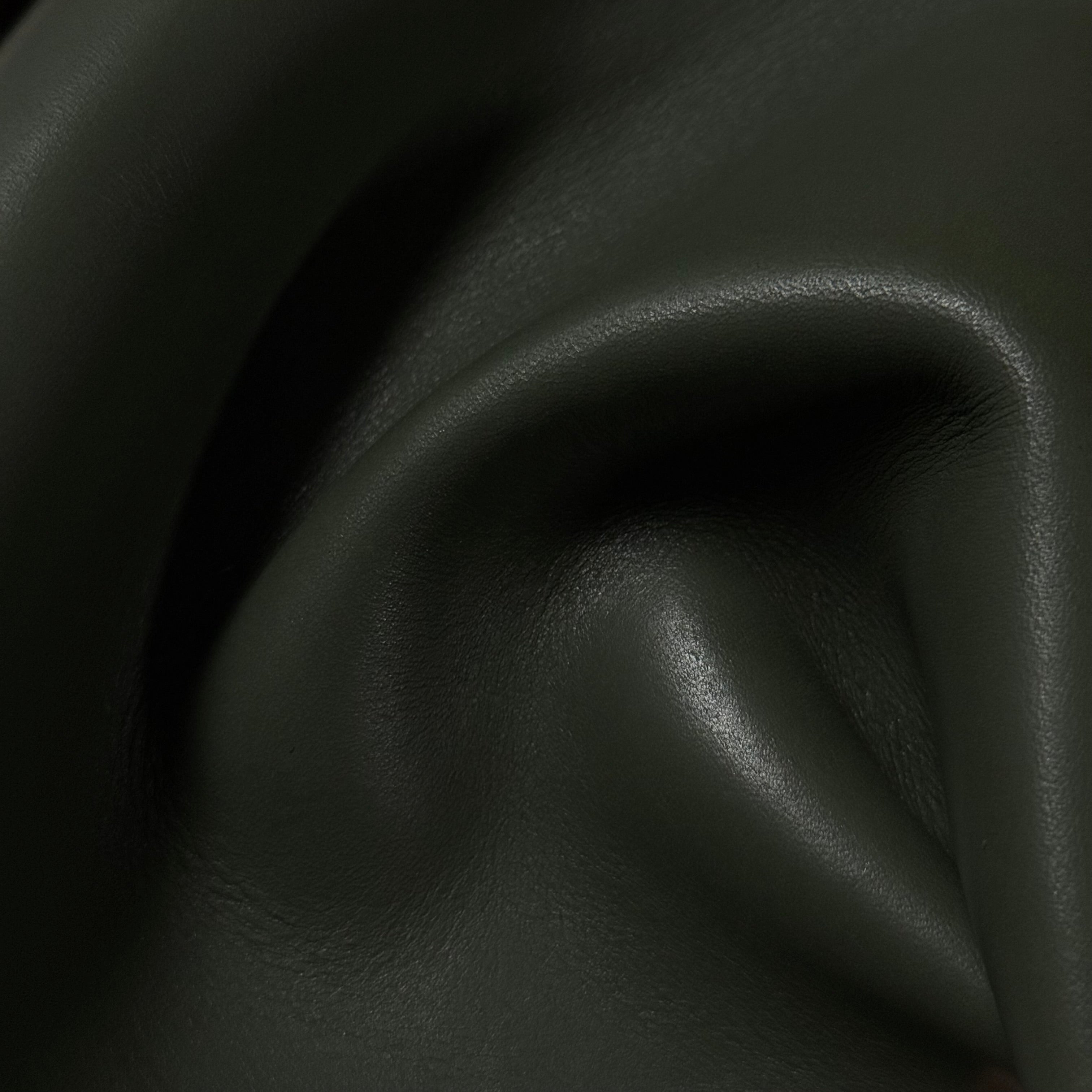
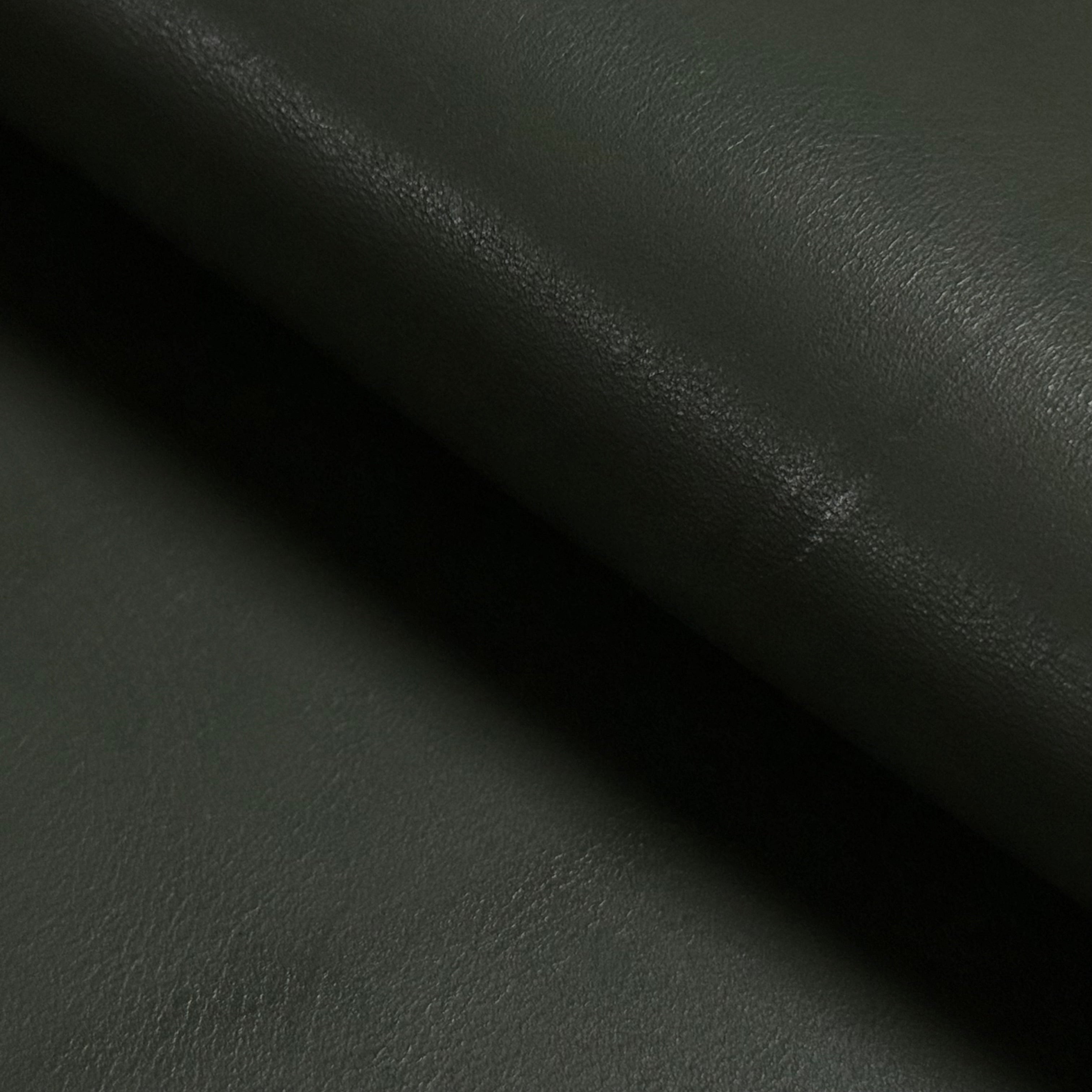
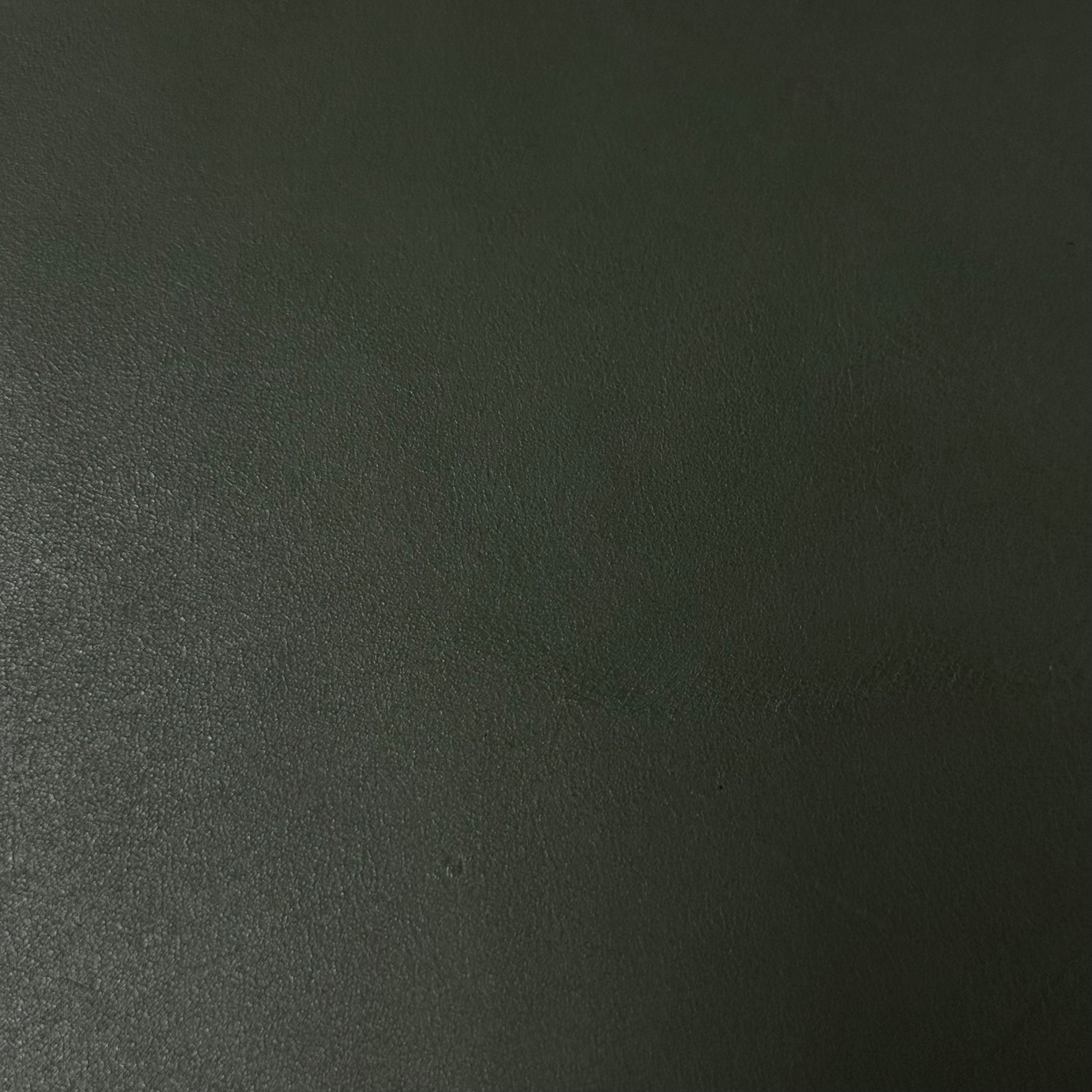
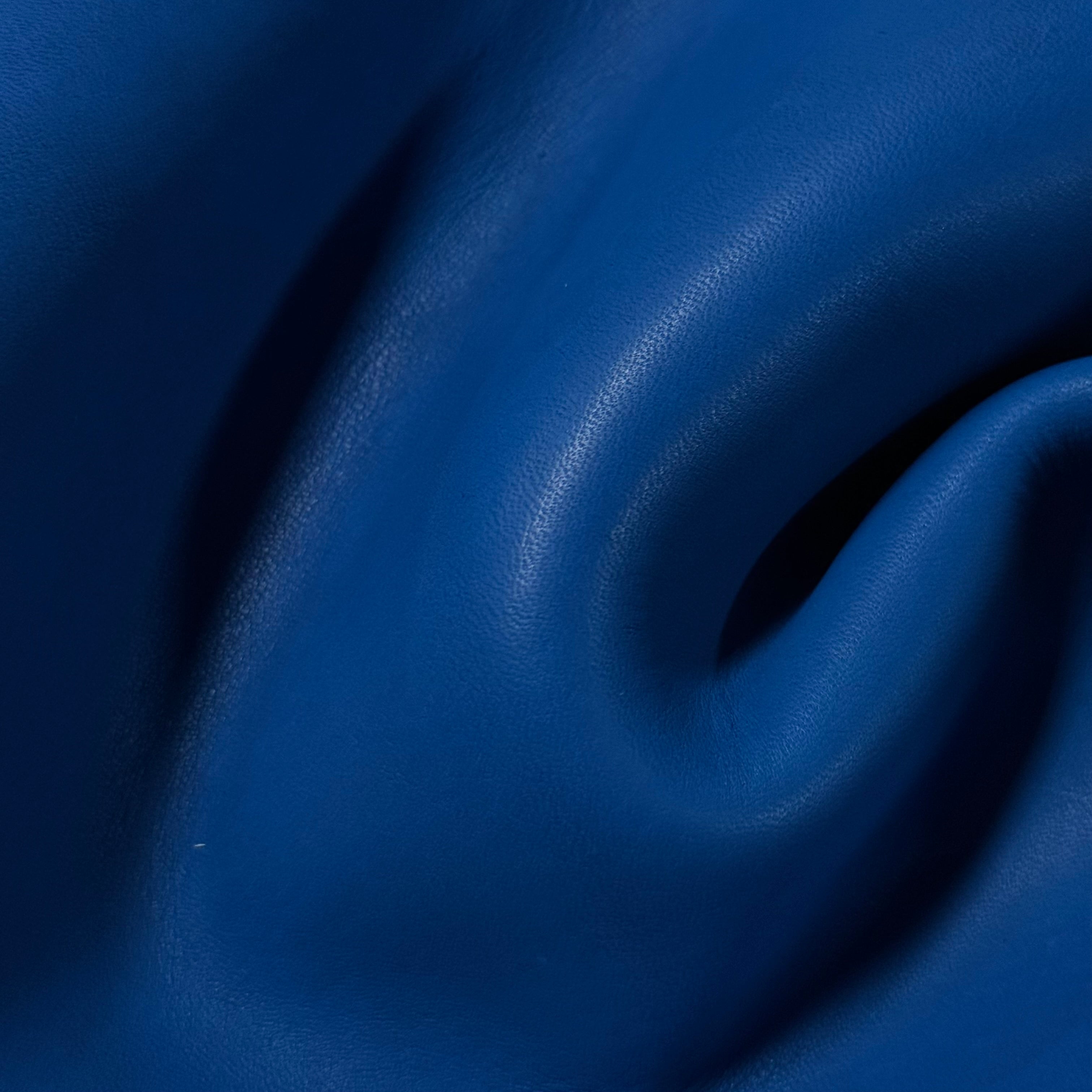
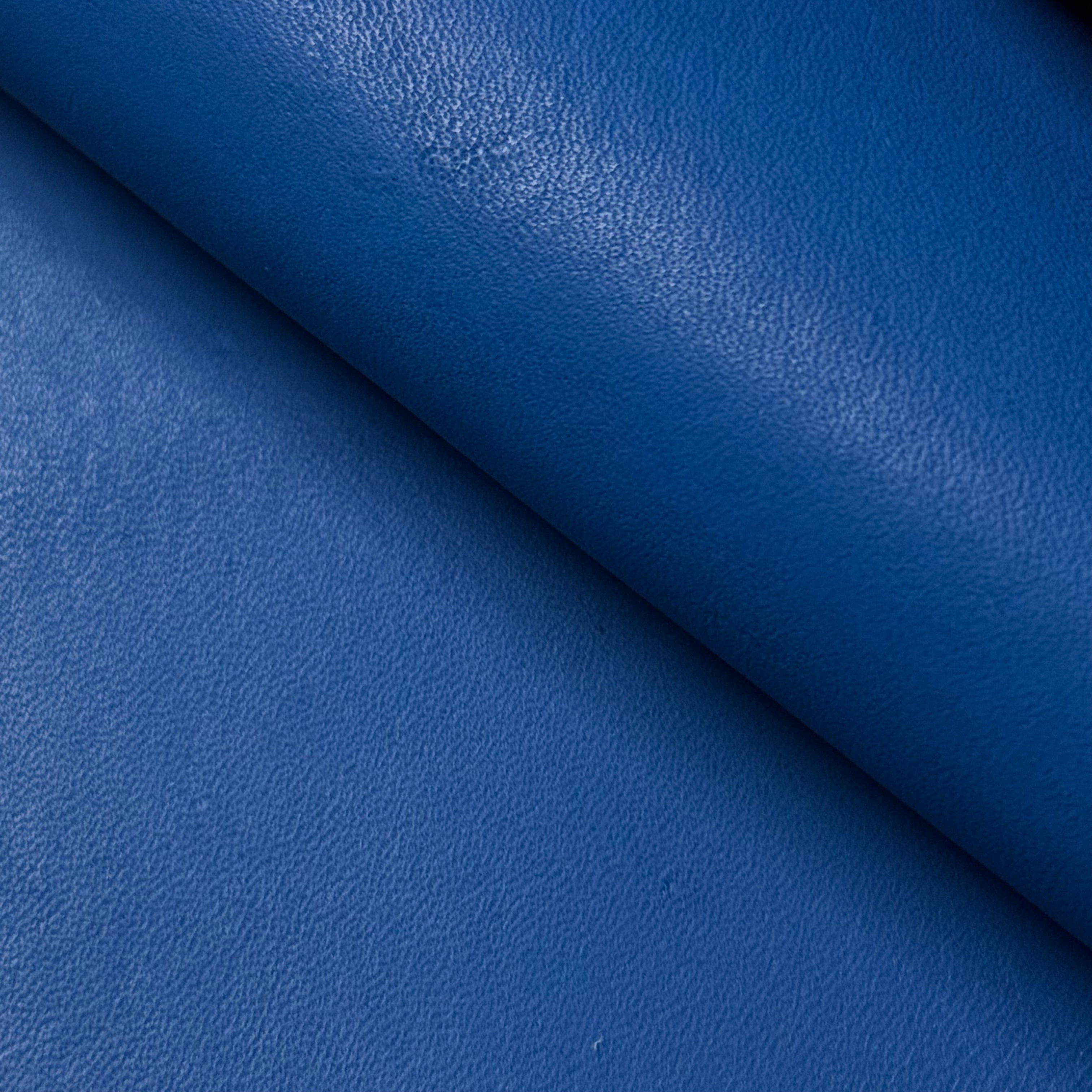
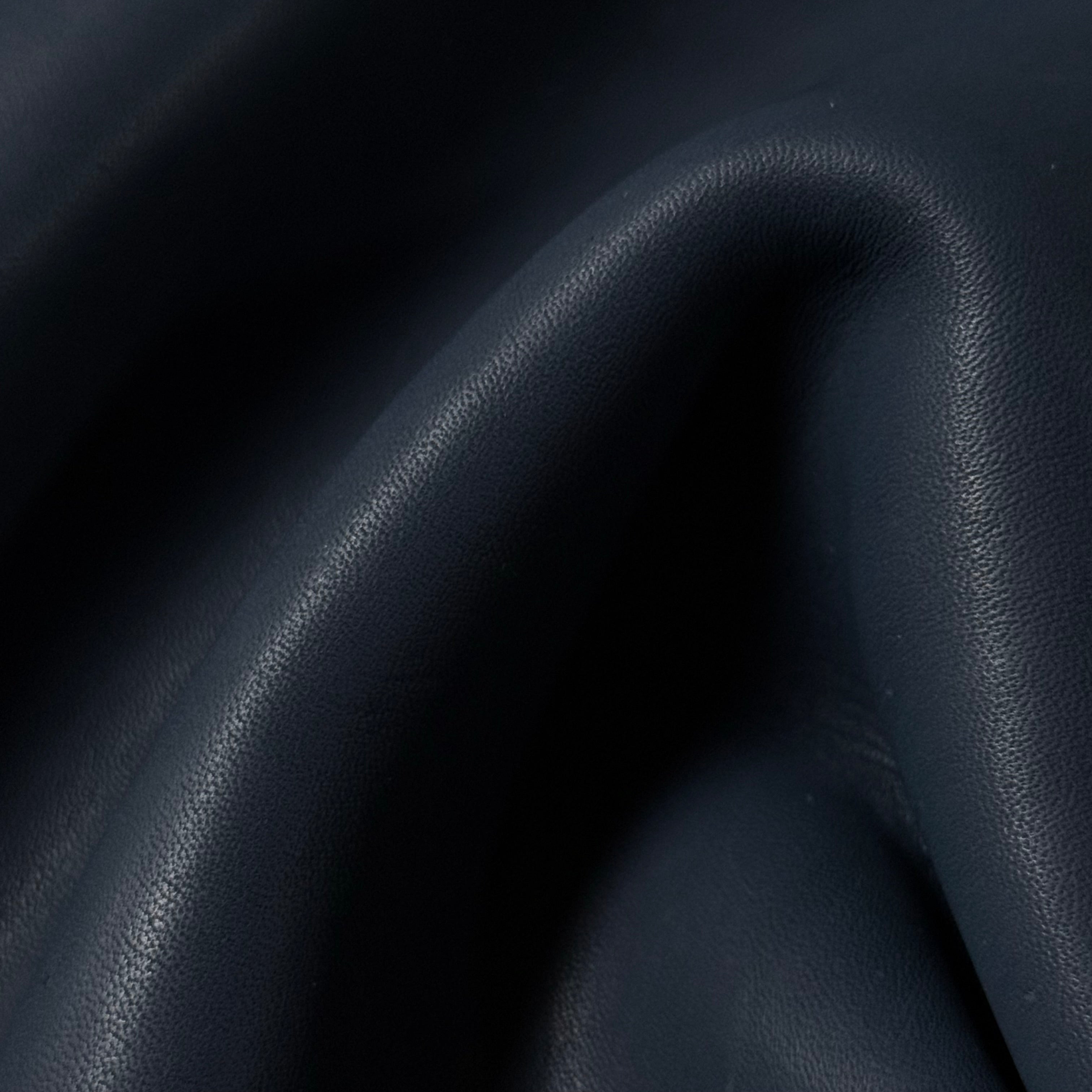
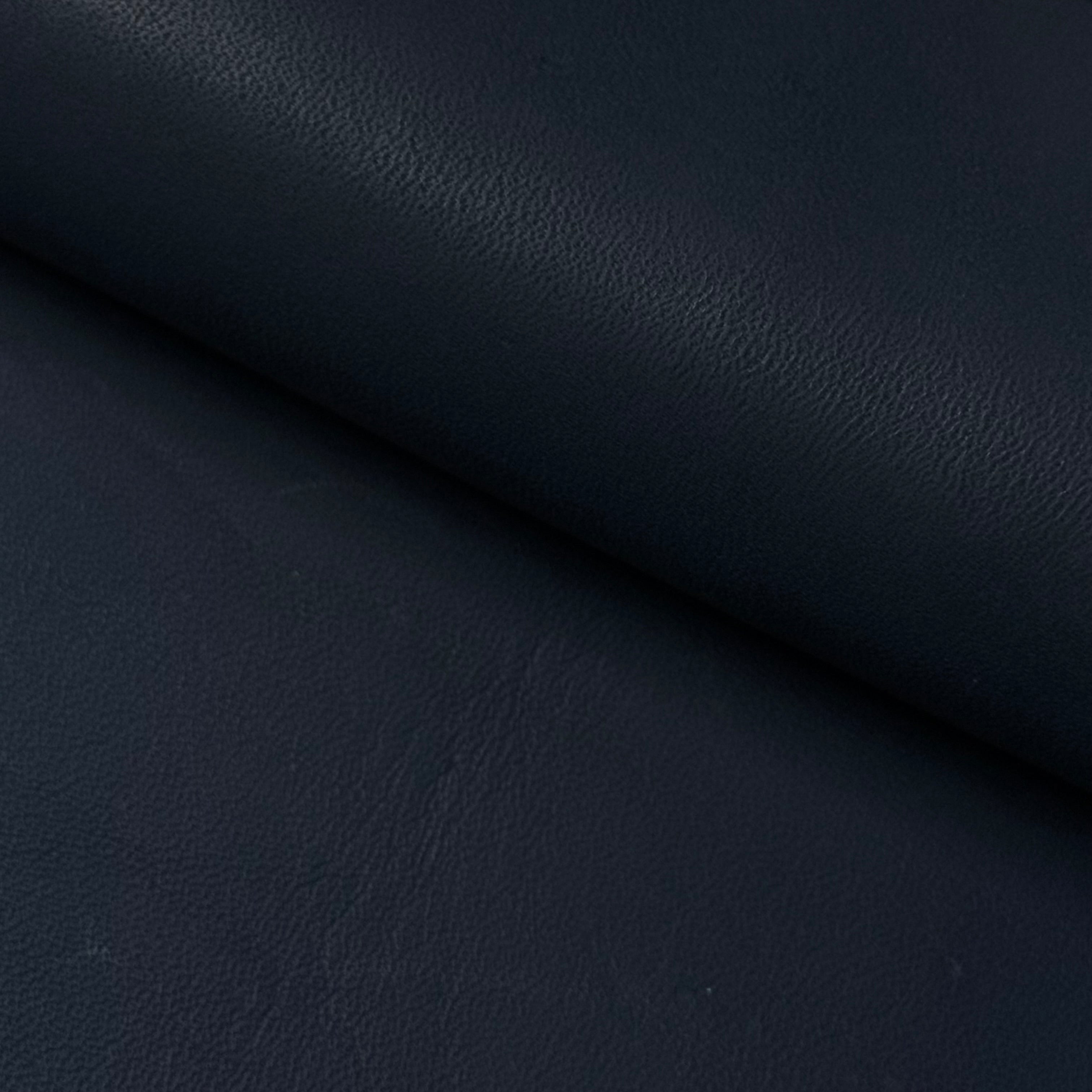
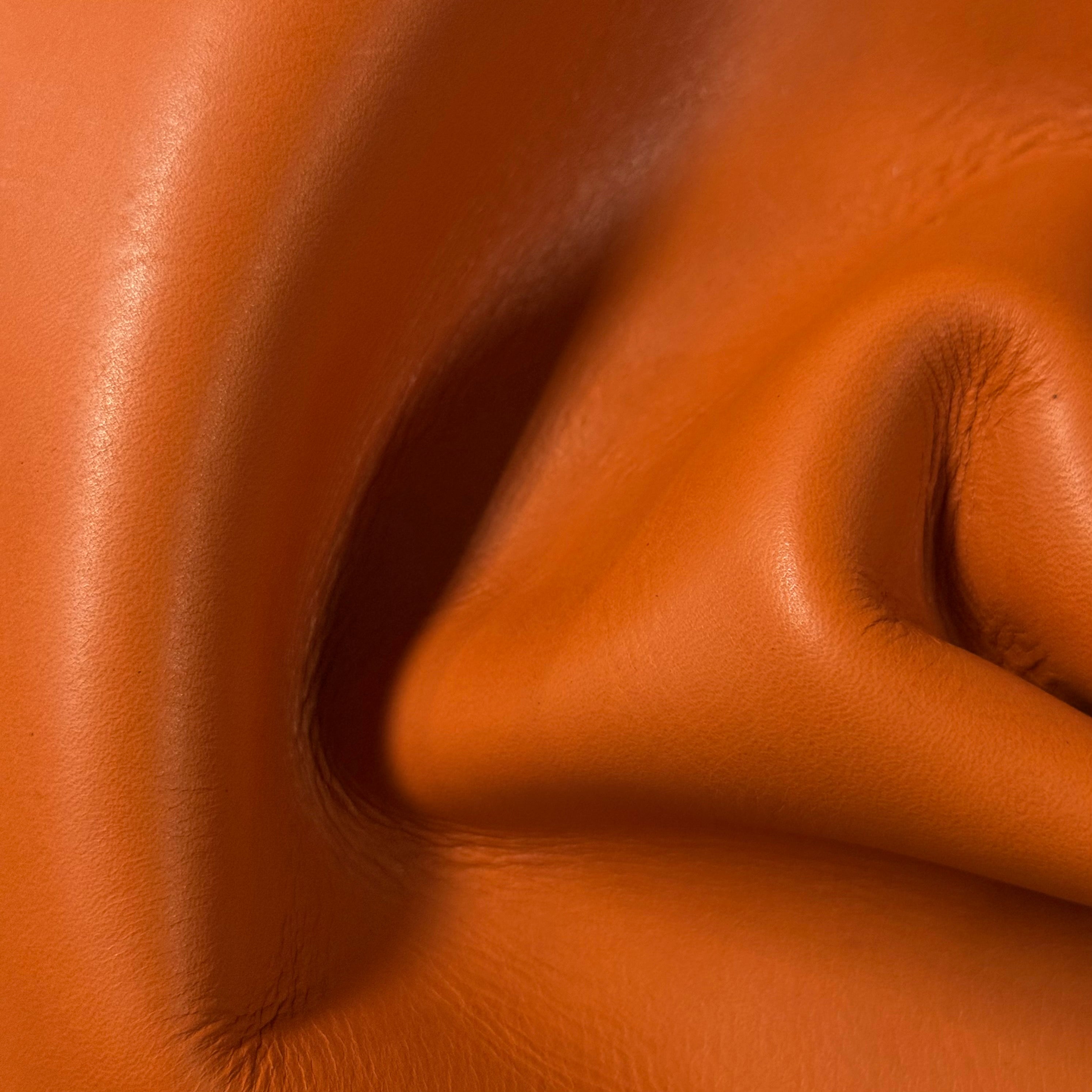
Leathercrafters are going to love this leather! Smooth Utility Cowhide is a go-anywhere, do-anything, top-grain cowhide that's incredibly versatile, perfect for a wide variety of leathercraft applications. We're talking menu covers, placemats, bag handles, belts, straps, knife sheaths, holsters, footwear, journals, bookbinding, pet collars, leashes, saddle bags, rifle straps, and much more.
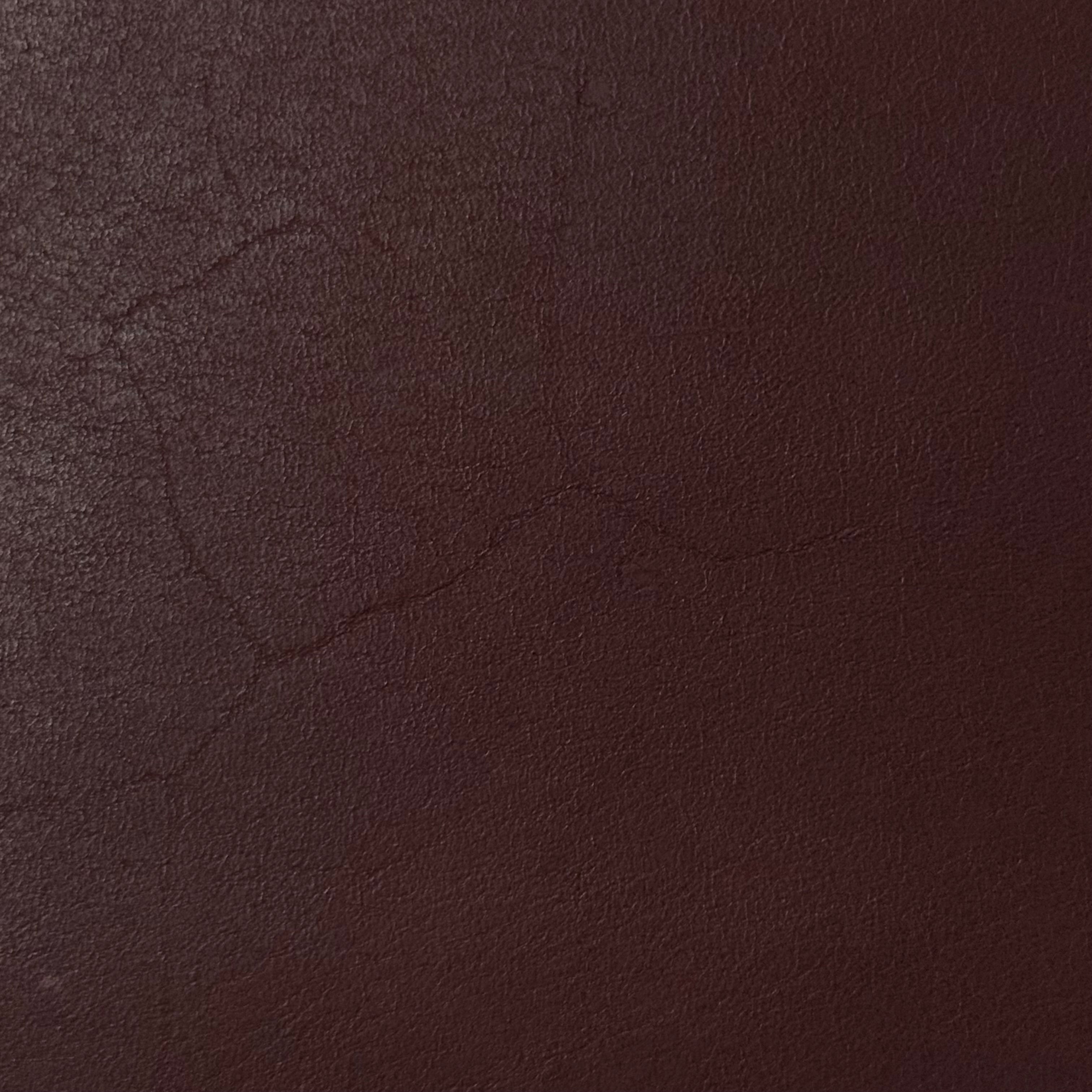
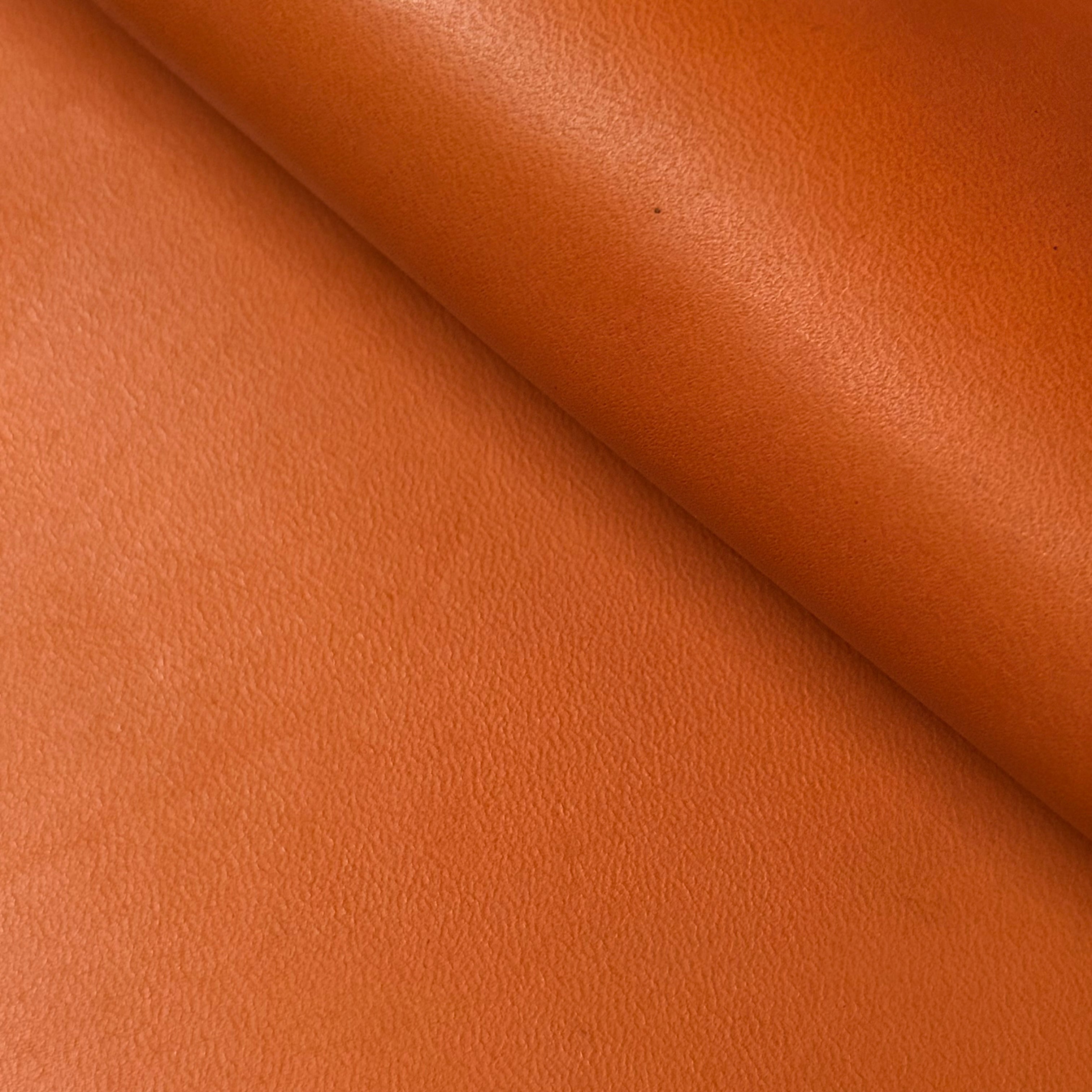
Smooth Utility Cowhide is chrome tanned (making it highly durable, with bright, vibrant colors) and vacuum dried (giving it a tight grain and smooth, clean surface). It also shares many of the characteristics of Latigo leather (water tolerant and stretch resistant), as well as some characteristics of Veg Tanned leather (it can be burnished, polished, stamped and embossed). The result is a premium leather that sits at the intersection of versatility, durability, and luxury.
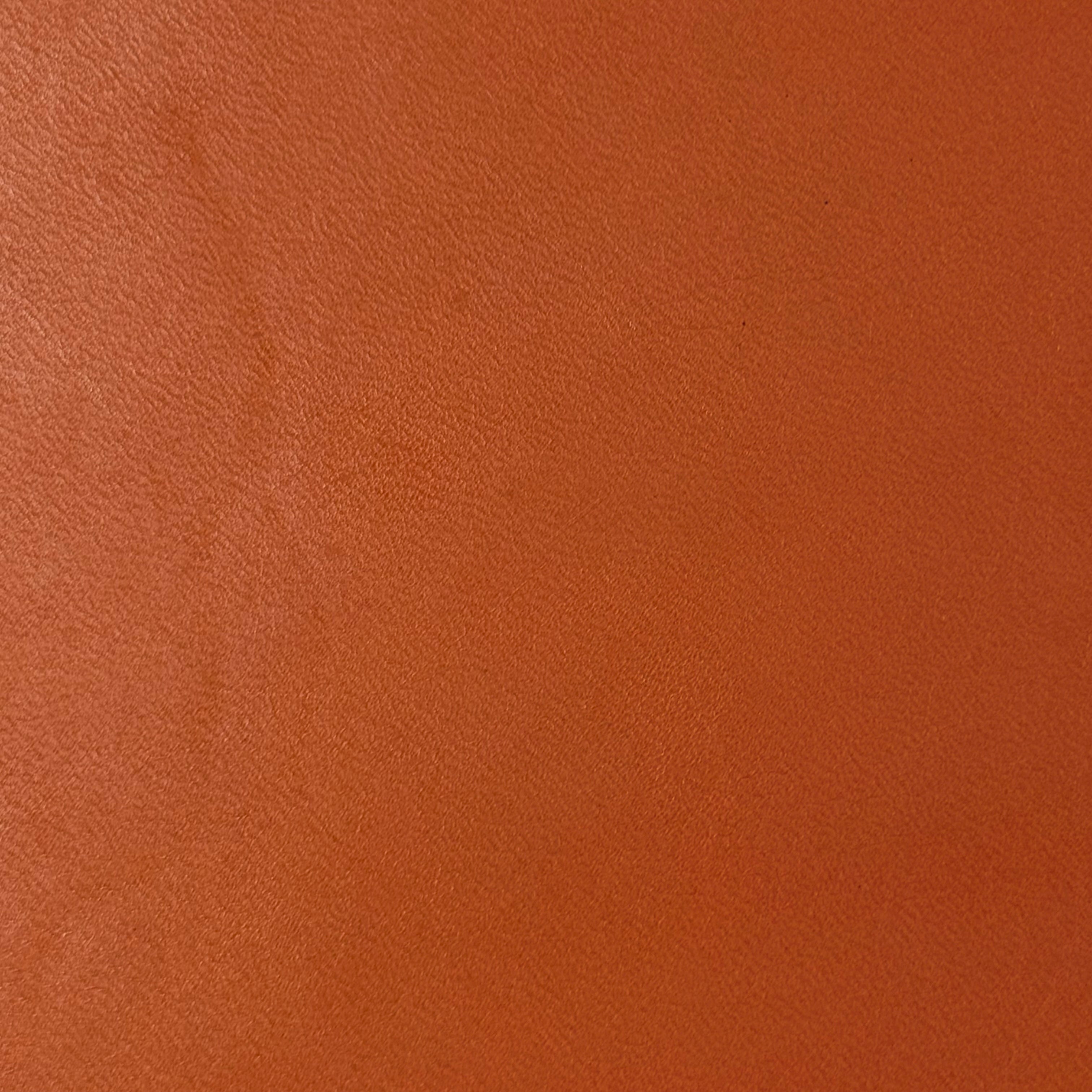
Available in over 15 colors, Smooth Utility Cowhide comes in generous sides that measure 20-28 square feet, with a versatile 4-5 ounce thickness (1.6-2.0 mm), tight grain, medium temper, and an ultra smooth surface highlighted by the aniline finish, making it suitable for a variety of applications.
Please Note
Leather is a natural product. We strive to keep new lots within size, color, and quality tolerance, but some hides may have slight variations in size or color, or have natural imperfections such as scars or small holes.
Hide sizes may vary. Leather square footage isn’t measured as a true length-by-width area — it’s based on the hide’s surface area before finishing or shrinkage. Tanneries calculate footage from the raw hide stage and stamp the size on the flesh (back) side of the hide. We use the measurements provided by the tannery, but some variation in actual size is normal.